 941-404-2564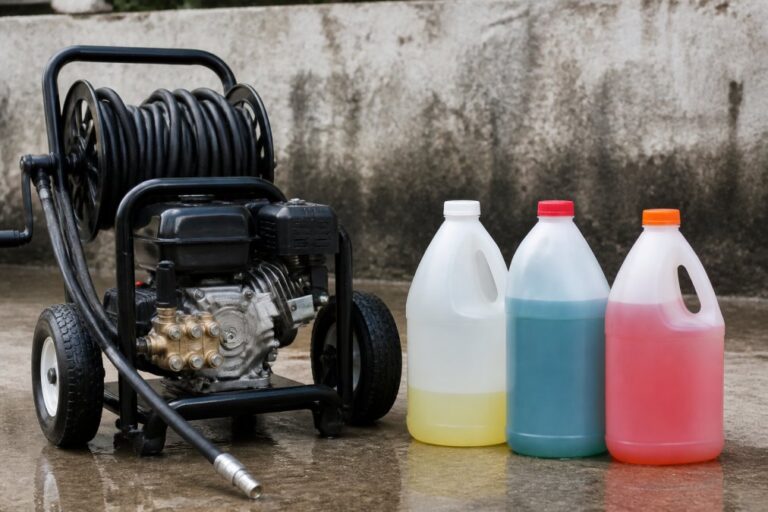
Table of Contents
- Hydro Jetting vs Chemical Drain Cleaners: Quick Comparison
- What Is Hydro Jetting and How Does It Work
- How Chemical Drain Cleaners Work
- The Dangers of Chemical Drain Openers You Should Know
- Hydro Jetting vs Snaking: Why One Outperforms the Other
- Is Hydro Jetting Safe for Old Pipes
- Long-Term Pipe Maintenance and Prevention
- When to Call a Professional Plumber
- Frequently Asked Questions
Last Updated: September 2, 2026
Hydro Jetting vs Chemical Drain Cleaners: Quick Comparison
When a drain backs up, you’re facing two fundamentally different approaches. Hydro jetting uses pressurized water to blast away buildup. Chemical drain cleaners use caustic materials to dissolve clogs. One works through force, the other through chemical reaction. The choice determines whether your pipes survive intact and whether your problem stays solved.
This guide from SWFL 24 Rooter covers the real differences, not marketing claims. We’ll show you when each method makes sense, where each fails, and why one leaves your pipes in far better condition.
| Method | How It Works | Best For | Main Risk |
|---|---|---|---|
| Hydro Jetting | Pressurized water (up to 4,000 PSI) blasts debris from pipe walls | Stubborn buildup, grease, roots, scale | Higher upfront cost |
| Chemical Drain Cleaners | Caustic chemicals dissolve organic matter | Minor clogs, hair, soap scum | Pipe corrosion, environmental harm |
What Is Hydro Jetting and How Does It Work
Hydro jetting is a drain cleaning technique that uses pressurized water to remove buildup, debris, and obstructions from inside pipes. Water pressure ranges from 1,500 to 4,000 PSI, stripping away years of grease, mineral scale, tree roots, and sludge without damaging the pipe itself (peer-reviewed research).
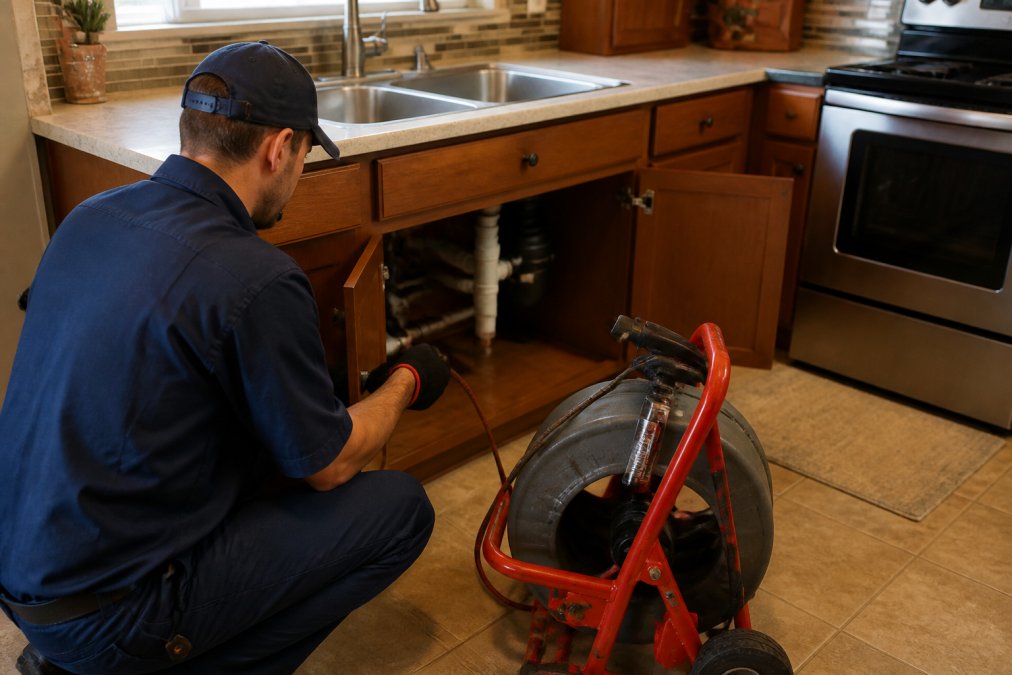
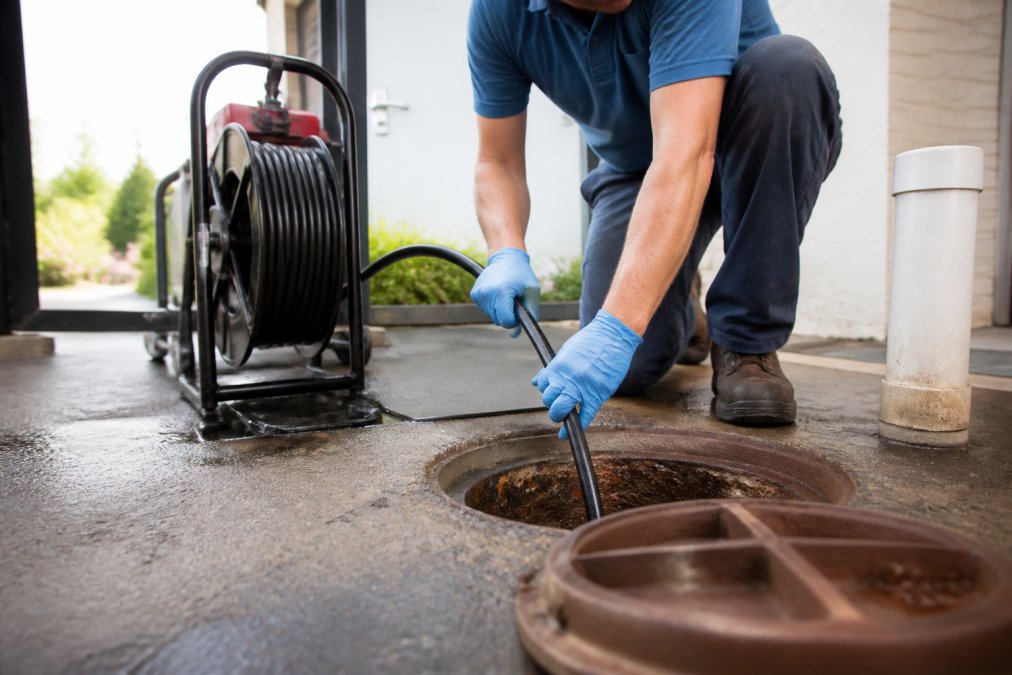
A technician inserts a specialized nozzle into your drain line. The nozzle directs pressurized water forward to break up the clog and backward to flush debris toward the main sewer system. Professional equipment includes water tanks, pressure regulators, and hoses designed to handle the stress.
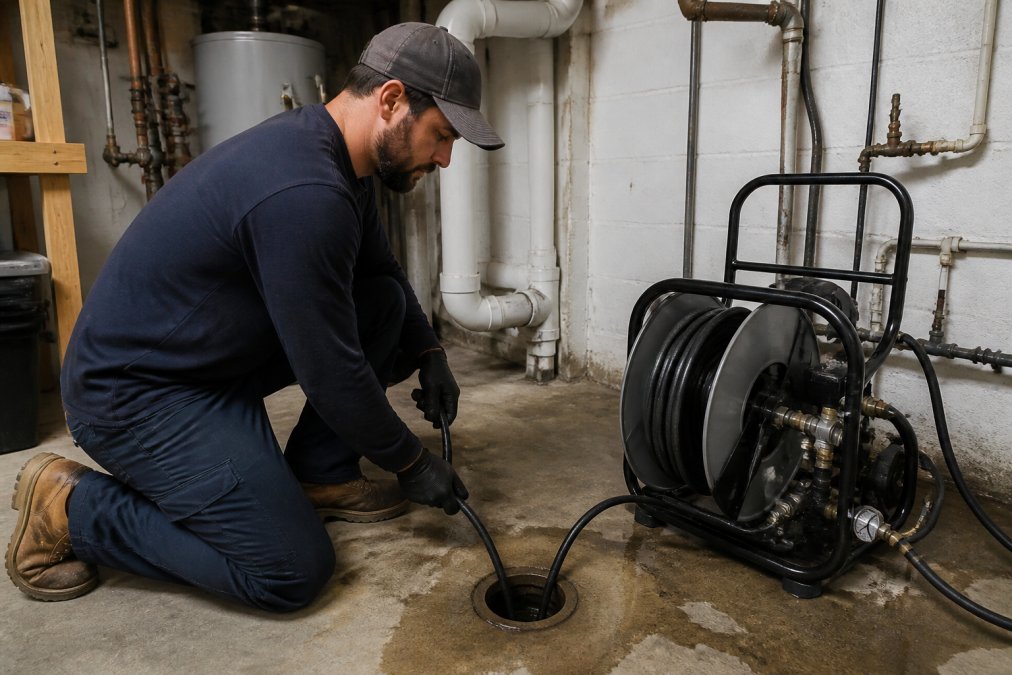
The real advantage is thoroughness. Hydro jetting cleans the entire pipe wall, not just punching a hole through the clog. You’re removing the underlying sludge and grease that caused the blockage. Chemical cleaners leave that residue behind, which is why clogs often return within months.
SWFL 24 Rooter uses hydro jetting for severe clogs, recurring blockages, and buildup in commercial drain lines where downtime costs money. The technique works on grease traps, main sewer lines, and drainage systems where snaking alone won’t reach the root problem.
Hydro jetting requires professional equipment and expertise. Improper pressure settings can crack pipes, damage seals, or force water into places it shouldn’t go. This is not a DIY solution.
How Chemical Drain Cleaners Work
Chemical drain cleaners work by dissolving organic matter through an exothermic chemical reaction. Most contain either sodium hydroxide (caustic soda) or sulfuric acid, generating heat as they break down hair, grease, soap scum, and paper (the CDC).
You pour the chemical down the drain, it sits for 15-30 minutes, and the reaction dissolves the clog. Drano Max Gel, for example, uses sodium hydroxide and sodium hypochlorite to cut through standing water and dissolve common household clogs.
The appeal is obvious: chemical cleaners cost $5-$10, are available at any hardware store, and require no plumber. Results often appear within 30 minutes.
But chemical cleaners only work on organic clogs. They dissolve hair and grease but do nothing against tree roots, mineral scale, or solid objects. They don’t clean the pipe wall, they punch a hole through the blockage and leave underlying sludge intact. That’s why clogs treated with chemicals return frequently.
Green Gobbler Ultimate Main Drain Opener markets itself as a safer alternative. It’s bleach-free and septic-safe, but still operates on chemical dissolution. It won’t clear severe blockages or address non-organic obstructions.
The chemical reaction generates heat. In older pipes or pipes weakened by corrosion, that heat accelerates damage.
The Dangers of Chemical Drain Openers You Should Know
Chemical drain cleaners pose real risks to pipes, your health, and the environment.
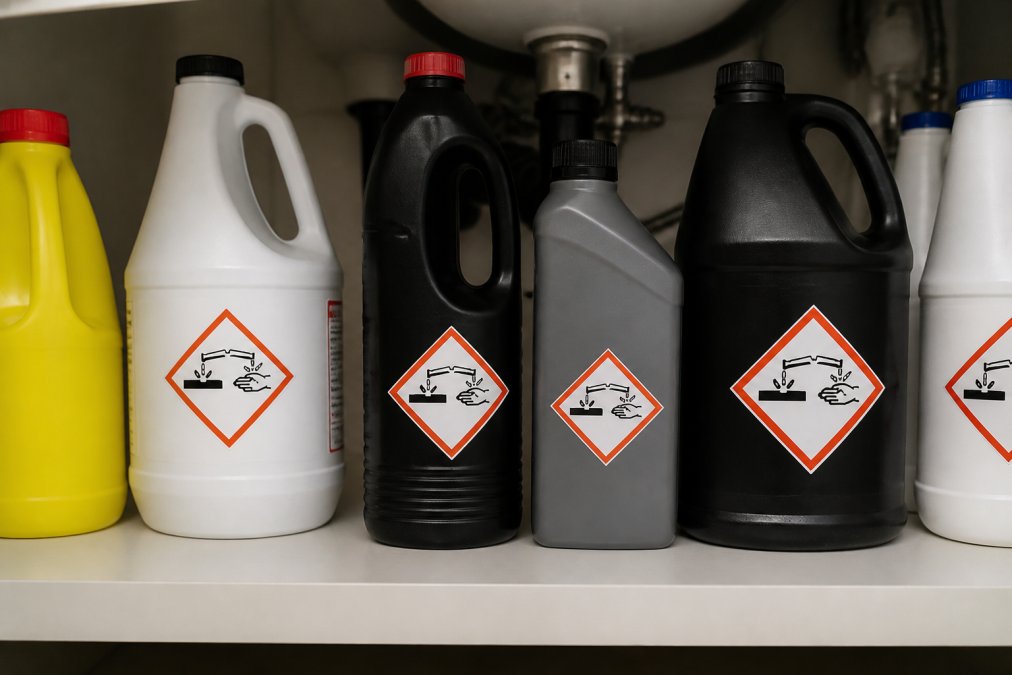
Caustic chemicals like sodium hydroxide corrode metal pipes over time (the EPA). Cast-iron and older steel drain lines are especially vulnerable. Repeated chemical treatments accelerate corrosion, weakening the pipe wall until it eventually fails. You might save $10 on a drain cleaner today and face a $3,000 sewer line replacement in five years.
The chemical reaction generates significant heat. In pipes with existing cracks or weak seals, that heat causes further damage. Some plumbers report seeing pipe seals fail within days of chemical treatment.
Chemical drain cleaners are caustic and can burn skin and cause serious eye damage. Fumes are hazardous, especially in poorly ventilated bathrooms. Mixing different drain cleaners creates toxic gas combinations that cause respiratory damage.
Chemical drain cleaners end up in municipal water systems or septic tanks. Caustic chemicals kill beneficial bacteria in septic systems, reducing their ability to break down waste. They persist in wastewater treatment and harm aquatic ecosystems. Some municipalities have begun restricting certain drain cleaners because of environmental concerns.
For households with septic systems, chemical drain cleaners are particularly problematic. The bacteria that make septic systems function are killed by harsh chemicals, leading to system failure and expensive pumping or replacement.
Chemical drain cleaners often don’t work on problems requiring professional attention. Tree roots, mineral scale, and collapsed pipes can’t be dissolved. You use the chemical, it doesn’t work, you call a plumber anyway, and now the plumber works around chemical residue in your pipes.
Hydro Jetting vs Snaking: Why One Outperforms the Other
Hydro jetting and snaking are both mechanical methods, but they solve different problems. Snaking punches a hole through the blockage. Hydro jetting cleans the entire pipe wall.
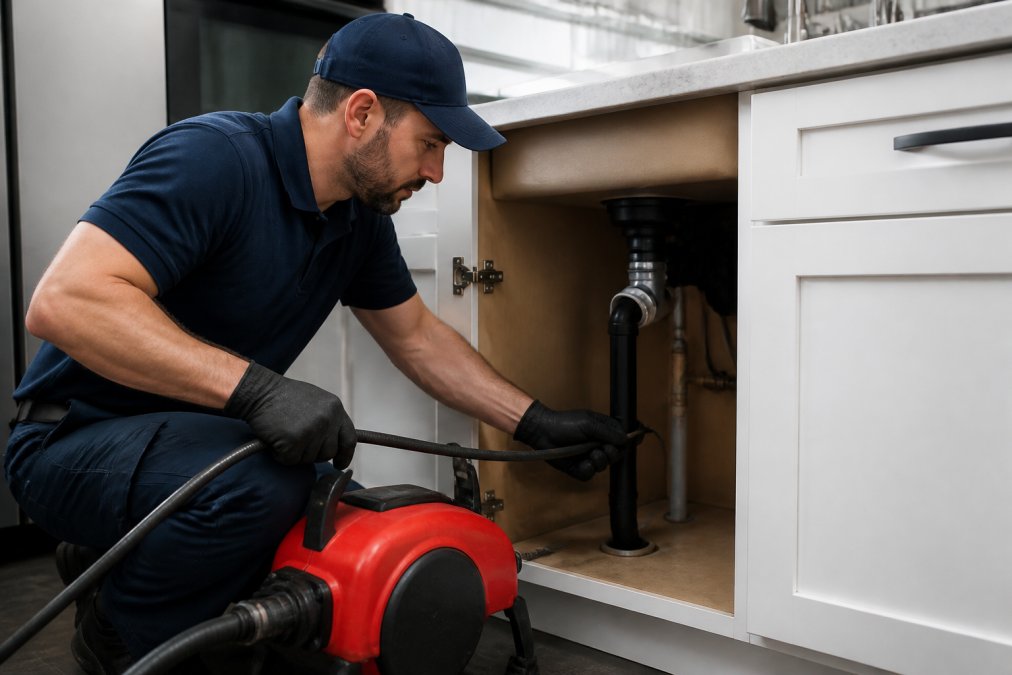
A drain snake is a coiled metal cable with a cutting head that rotates to break apart the clog and pull debris out. Snaking works well on hair clogs, minor grease buildup, and simple blockages. It’s cheaper and faster for straightforward problems.
But snaking has real limitations. The cable can only reach so far into the drain line. It doesn’t clean the pipe wall, so buildup remains. Roots get cut, not removed, they regrow within weeks. Grease gets pushed aside, not stripped away. Snaking is reactive: it solves the immediate problem but doesn’t address the underlying cause.
Hydro jetting cleans comprehensively. The pressurized water reaches the entire pipe diameter and removes everything: grease, roots, scale, sludge, and debris. This is why professional plumbers recommend hydro jetting for recurring clogs, commercial drain lines, and situations where snaking alone won’t solve the problem.
The trade-off is cost and time. Hydro jetting requires more equipment and expertise and takes longer by design. Snaking is faster and cheaper for simple, one-time clogs.
For SWFL 24 Rooter customers with recurring drain problems, hydro jetting eliminates the cycle. One thorough session can prevent clogs for years, making the upfront cost worthwhile long-term.
Is Hydro Jetting Safe for Old Pipes
Hydro jetting is generally safe for older pipes when performed by professionals using appropriate pressure settings. The key variable is pressure control.
Older cast-iron, clay, or galvanized steel pipes can handle hydro jetting at reduced pressure: 1,500-2,000 PSI for older systems, compared to 3,000-4,000 PSI for modern PVC pipes. Professional plumbers adjust pressure based on pipe material, age, and condition.
Before hydro jetting, experienced technicians inspect the drain line using waterproof camera systems to identify weak points, cracks, or areas requiring reduced pressure. SWFL 24 Rooter uses camera inspection to determine safe pressure levels before any hydro jetting begins.
The real danger with old pipes isn’t hydro jetting itself, it’s using wrong pressure or skipping inspection. Rental equipment often lacks precise pressure controls. DIY attempts or inexperienced operators can cause damage.
Chemical drain cleaners are actually riskier for old pipes. The corrosive nature of caustic chemicals accelerates deterioration in aging pipes. Repeated chemical treatments weaken pipe structure over time. Hydro jetting, when done properly, doesn’t weaken pipes, it cleans them.
For most older homes, hydro jetting is the safer choice compared to repeated chemical treatments. Professional inspection plus controlled-pressure hydro jetting solves the clog without damaging infrastructure.
Long-Term Pipe Maintenance and Prevention
The best drain strategy is preventing clogs before they happen. Preventative maintenance saves money, eliminates emergency calls, and extends pipe life.
For residential drains, simple practices make a huge difference. Don’t pour grease down kitchen sinks. Use drain screens to catch hair. Avoid flushing anything besides toilet paper. These habits prevent the buildup that leads to clogs.
For commercial properties, preventative maintenance is essential. Grease traps require regular cleaning. Main drain lines benefit from periodic hydro jetting (annual or bi-annual, depending on usage). Camera inspections identify problems before they become emergencies.
RID-X and similar septic treatments help maintain bacterial balance, but they don’t replace regular pumping. Septic systems need professional service every 3-5 years.
Preventative hydro jetting can be a cost-effective solution compared to emergency drain service calls, which often occur at inconvenient times and can be more expensive. For commercial properties, the downtime cost of a backed-up drain far exceeds preventative maintenance costs.
SWFL 24 Rooter offers maintenance programs for both residential and commercial customers. Regular camera inspections identify early trouble signs. Scheduled hydro jetting prevents severe clogs requiring emergency service.
Tree roots are a common cause of recurring clogs in older neighborhoods. If your property has mature trees near the sewer line, periodic hydro jetting (every 1-2 years) prevents roots from blocking the drain.
When to Call a Professional Plumber
You need professional help when a clog doesn’t respond to basic methods, when you suspect pipe damage, or when the problem affects your main sewer line.
Call a professional if:
- The clog returns within weeks of clearing it (indicates underlying buildup)
- Multiple drains are backing up (suggests a main line issue)
- You suspect tree roots or mineral scale (chemicals won’t solve these)
- Your pipes are older than 30 years (camera inspection identifies deterioration)
- You have a septic system (chemicals can damage it)
- Water is backing up into your home (urgent situation)
- You’ve already tried chemicals and snaking without success
Professional plumbers bring diagnostic equipment, pressure control, and liability protection. A waterproof camera inspection shows exactly what’s happening inside your drain line. Professional hydro jetting equipment includes pressure regulators that prevent pipe damage. Licensed, insured plumbers carry insurance covering accidental damage.
SWFL 24 Rooter’s one-hour response guarantee matters when facing a backed-up drain. Emergency plumbing requires fast response, proper diagnosis, and the right equipment on the first visit.
Professional drain service costs more than a bottle of chemical cleaner, but the comparison is misleading. If the chemical doesn’t work (which it often doesn’t for serious clogs), you’re calling a professional anyway after wasting time and money. Starting with professional service means the problem gets solved correctly the first time.
If your drain is backing up or you’re dealing with recurring clogs, SWFL 24 Rooter handles emergency drain service with advanced hydro jetting technology and camera inspection systems that solve problems chemicals can’t touch. With guaranteed one-hour response time and licensed, insured technicians, you get the right solution fast. Schedule a service call and let our team diagnose the actual problem before it becomes a costly emergency.
Frequently Asked Questions
Q: Why do plumbers say not to use drain cleaner?
A: Chemical drain cleaners generate intense heat and corrosive reactions that damage pipe walls, especially in older plumbing systems. Repeated use weakens pipes, leading to leaks and ruptures. These products also create hazardous fumes, pose burn risks to skin and eyes, and can harm septic systems by killing beneficial bacteria. Professional plumbers recommend hydro jetting or mechanical methods because they clean effectively without pipe damage.
Q: Can hydro jetting damage PVC pipes or other materials?
A: When performed by licensed professionals, hydro jetting is safe for most pipe materials, including PVC, copper, and cast iron. However, very old or severely corroded pipes may be at risk. A waterproof camera inspection before hydro jetting identifies weak spots and determines if your pipes can handle the pressurized water. This preventative step protects your plumbing infrastructure and ensures the method suits your specific system.
Q: How often should you hydro jet your sewer lines?
A: Hydro jetting frequency depends on your drainage system’s condition and usage. Most homeowners benefit from hydro jetting every 1-2 years for preventative maintenance, especially if you have grease buildup or tree root intrusion issues. Commercial properties, restaurants, and apartment complexes may need more frequent service to maintain flow efficiency. A professional plumber can assess your specific situation and recommend a maintenance schedule.
Q: What makes hydro jetting different from chemical drain cleaners?
A: Hydro jetting uses pressurized water (typically 3,000-8,000 PSI) to physically remove sludge, grease, and obstruction from drain lines without chemicals. Chemical cleaners rely on caustic reactions that dissolve organic matter but damage pipes over time. Hydro jetting achieves long-lasting results by completely clearing pipe walls, while chemical cleaners often leave residue and weaken the plumbing infrastructure. Professional hydro jetting is more thorough and safer for your home’s plumbing system.
Q: Can I do hydro jetting myself?
A: Hydro jetting requires specialized professional equipment, training, and expertise. Improper pressure settings can rupture pipes, and incorrect technique risks water damage or personal injury. Unlike chemical drain cleaners available at hardware stores, hydro jetting demands licensed plumbers with waterproof camera inspection systems to diagnose problems first. Professional service ensures the correct pressure is applied based on your pipe material, diameter, and condition.
This article was written using GrandRanker