 941-404-2564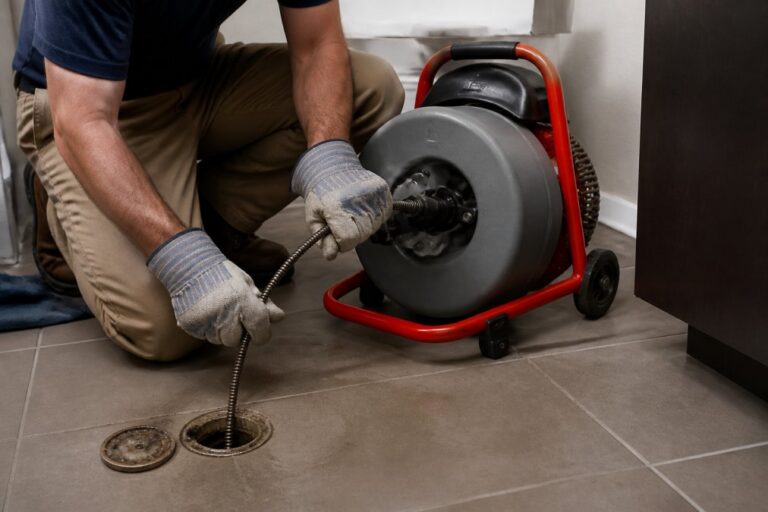
Table of Contents
- What Is a Drain Plumbers Snake and How Does It Work?
- Step-by-Step Guide to Using a Drain Plumbers Snake
- Safety Gear, Sanitization, and Proper Storage
- Hydro Jetting vs Snaking: Which Method Wins?
- Plumbing Camera Inspection Benefits You Shouldn’t Ignore
- Professional Drain Cleaning Cost: What Drives the Price?
- When to Stop Snaking and Call a Professional Plumber
- Frequently Asked Questions
Last Updated: August 30, 2026
What Is a Drain Plumbers Snake and How Does It Work?
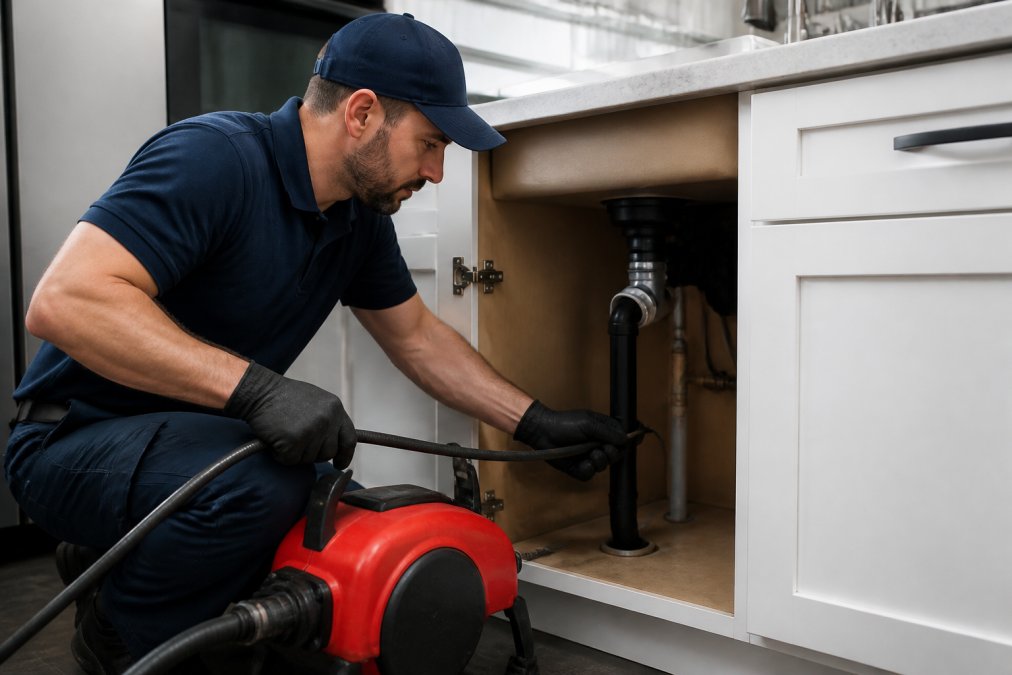
A drain plumbers snake is a flexible steel cable tool designed to reach deep into drain pipes, break apart blockages, and pull out debris that chemical cleaners and plungers cannot touch. The coiled cable feeds through the drain opening, navigating bends until the corkscrew tip contacts the obstruction. The operator rotates the cable using a manual crank or powered drill adapter, which either breaks the blockage apart or hooks it for removal. The flexible steel cable must be stiff enough to transmit torque but flexible enough to bend through plumbing fixtures without damaging pipe walls.
A drain plumbers snake differs from a toilet jack, which is a closet auger specifically shaped to enter a toilet bowl without scratching the porcelain. Knowing which tool fits which fixture saves both time and pipe integrity.
Manual vs. Powered Drain Snakes: Key Differences
Manual drain snakes rely on a hand-crank mechanism and work well for shallow clogs within the first 15 to 25 feet of drain pipe, giving tactile feedback when the cable hits an obstruction. They require more physical effort and move slowly through long pipe runs.
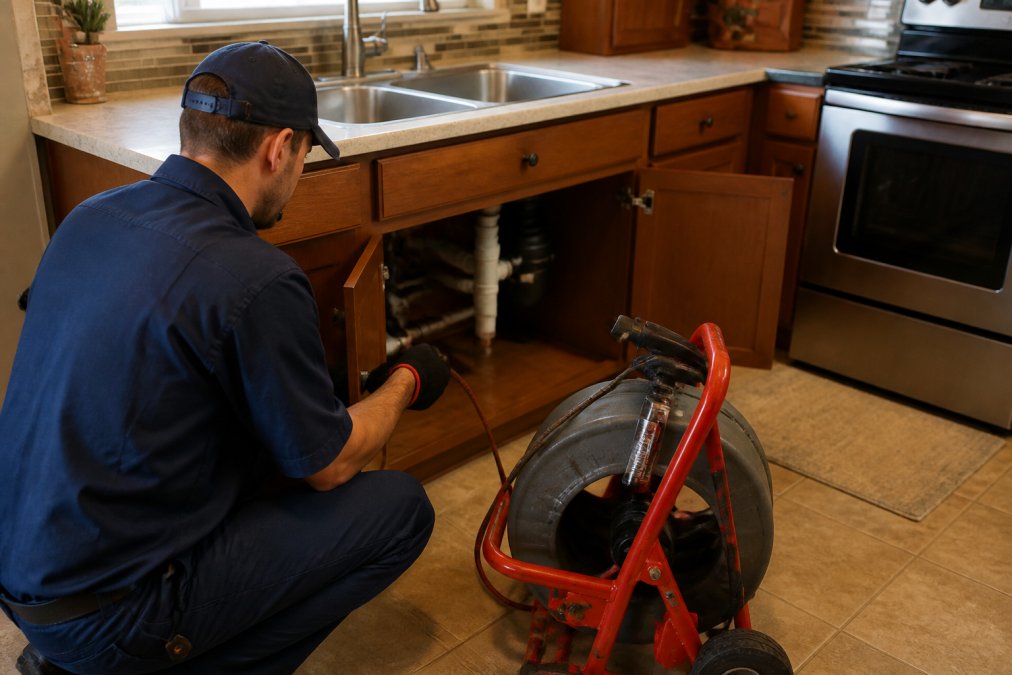
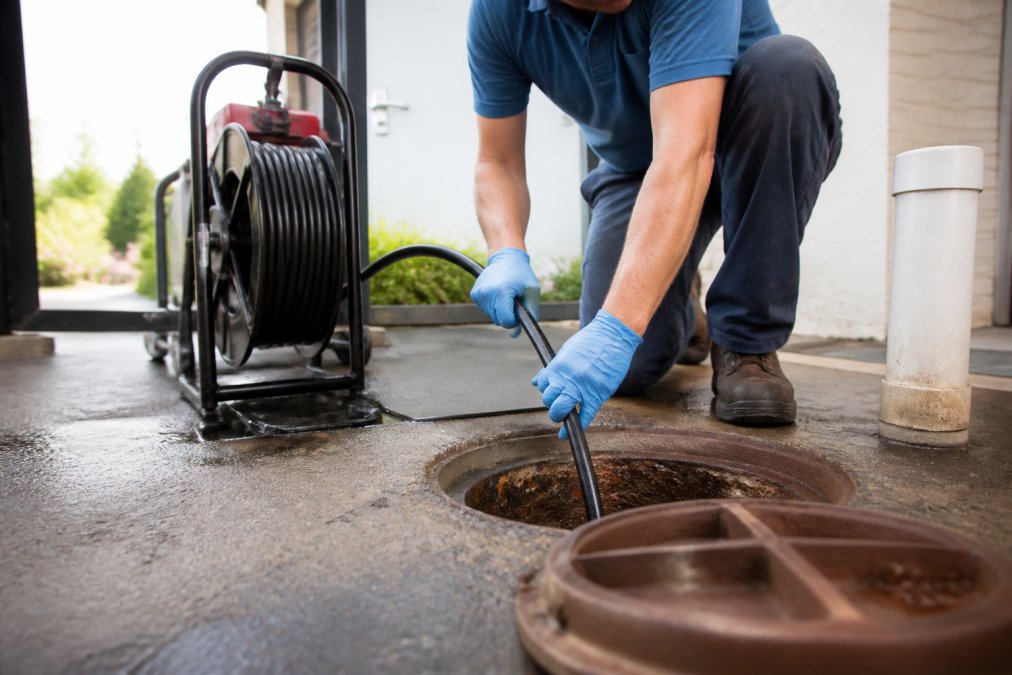
Powered drain snakes use a motor to spin the cable, handling tougher blockages, longer cable runs, and larger pipe diameters. Many accept a drill adapter, letting a standard power drill drive the cable rotation. For hair clogs in bathroom drains, a manual snake is usually sufficient. For grease buildup or root intrusion in a main sewer line, a heavy-duty auger is necessary.
| Type | Best For | Cable Length | Skill Level |
|---|---|---|---|
| Manual hand snake | Hair clogs, sink drains | 15-25 ft | Beginner |
| Drum auger (manual) | Bathroom/kitchen clogs | 25-50 ft | Intermediate |
| Electric drain snake | Stubborn or deep clogs | 50-100 ft | Intermediate |
| Heavy-duty auger | Main sewer lines | 75-150 ft | Professional |
| Toilet jack (closet auger) | Toilet obstructions | 3-6 ft | Beginner |
Choosing the Right Cable Gauge and Snake Length
Cable gauge and plumbing snake length are the two specs most DIYers overlook. A cable that is too thin will kink and snap under torque; one that is too thick will not navigate tight bends.
For standard 1.5-inch to 2-inch sink and tub drain pipes, a 1/4-inch to 5/16-inch cable is appropriate. Kitchen drain lines benefit from a slightly stiffer 5/16-inch cable. Main sewer lines with pipe diameters of 3 inches or more call for a 1/2-inch to 5/8-inch cable.
Snake length determines reach. Most household clogs sit within the first 25 feet of drain pipe access. A 25-foot snake handles the majority of bathroom and kitchen blockages. For two-story homes or longer lateral lines, a 50-foot cable covers most scenarios. Sewer line work typically requires 75 feet or more.
According to the International Association of Plumbing and Mechanical Officials, proper tool selection based on pipe diameter is one of the most common factors in avoiding pipe damage during mechanical drain cleaning.
Step-by-Step Guide to Using a Drain Plumbers Snake
Using a drain plumbers snake correctly takes about 20 to 40 minutes for a standard household clog.
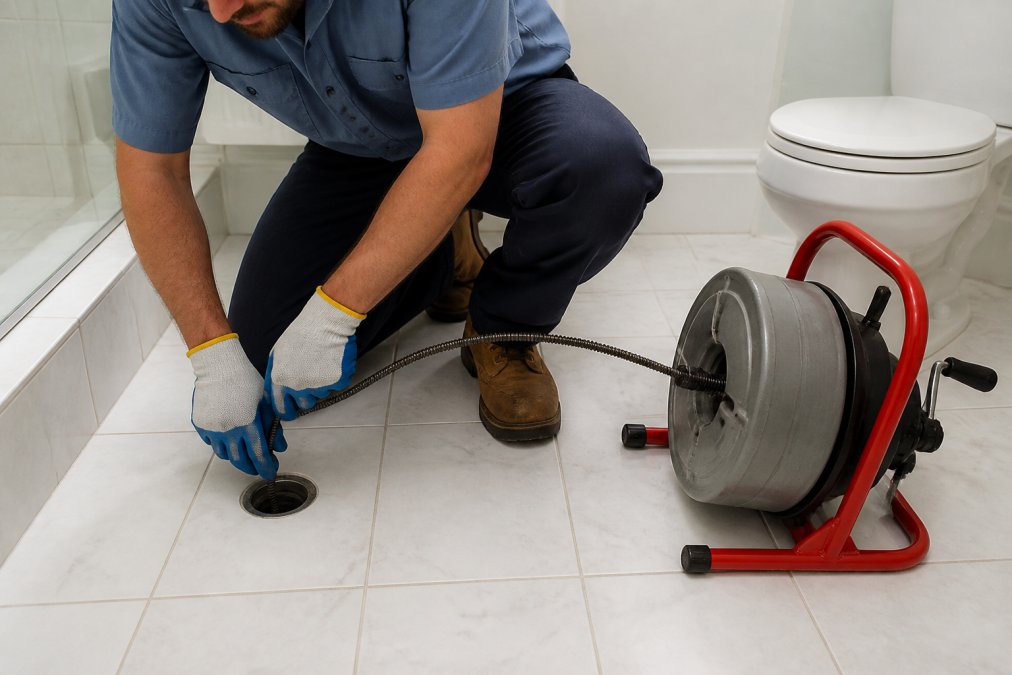
What You’ll Need: Drain snake appropriate for your pipe size, rubber gloves, eye protection, old towels or a bucket, and a flashlight.
- Clear the drain access. Remove the drain cover or stopper. For sinks, place a bucket under the P-trap in case you need to remove it for access.
- Insert the cable tip. Feed the corkscrew tip into the drain opening. Extend about 6 inches of cable before engaging the crank.
- Advance the cable slowly. Turn the manual crank or activate the motor while pushing the cable forward. Apply steady pressure. If you feel resistance, you have likely reached the blockage.
- Work through the obstruction. Rotate the cable against the blockage. For hair clogs, the corkscrew tip will snag the debris. For grease or soap buildup, the rotation breaks it apart.
- Pull back and clear the cable. Retract the snake slowly, pulling debris out with it. Have a bucket or towel ready.
- Flush the drain. Run hot water for two to three minutes to confirm the blockage is cleared and to push any remaining debris through the drain pipe.
- Repeat if needed. Stubborn clogs may require two or three passes.
Before feeding the cable past the P-trap, check whether the clog is actually in the trap itself. Removing the P-trap and clearing it manually takes five minutes and often solves the problem without ever needing to snake deeper into the drain pipe.
Troubleshooting a Stuck Snake
A stuck plumbing snake is common. The cable can tangle on itself inside the pipe, hook onto a fitting, or coil up when it hits a hard obstruction. Do not force it, as this can kink the cable, damage a pipe joint, or cause the cable to break off inside the drain.
Instead:
- Back the cable out slightly, then re-advance with a different rotation angle.
- Reduce cable extension. Too much slack causes the cable to bunch up rather than advance.
- Check the cable gauge. A cable that is too thin will spiral into a loop rather than track straight.
- Try reversing rotation. Switching direction can disengage a cable wrapped around a fitting.
If the snake will not come out at all, stop and call a licensed plumber. Forcing a stuck cable risks breaking it off inside the pipe, turning a simple clog into a pipe excavation job.
Never feed a drain snake into a pipe that has been treated with chemical drain cleaner. The caustic chemicals can splash back onto your skin when the cable is withdrawn. Flush the line thoroughly with water before snaking.
Safety Gear, Sanitization, and Proper Storage
Drain cleaning requires proper safety gear. Wear heavy rubber or nitrile gloves (not thin latex), safety glasses or goggles to protect against splashback, old clothing or a work apron, and closed-toe shoes.
After use, the cable is coated in bacteria, biofilm, and debris. Wipe the cable down with a disinfectant solution as you retract it, and rinse the entire snake with clean water before storage. Store the cable loosely coiled in a dry location. Tight coiling or kinked cable creates weak points that eventually cause snapping during use.
According to OSHA’s guidelines on plumbing and sanitation work, workers handling sewage-contaminated tools should follow specific decontamination procedures to prevent exposure to pathogens.
Hydro Jetting vs Snaking: Which Method Wins?
Snaking removes a specific blockage. Hydro jetting cleans the entire pipe.
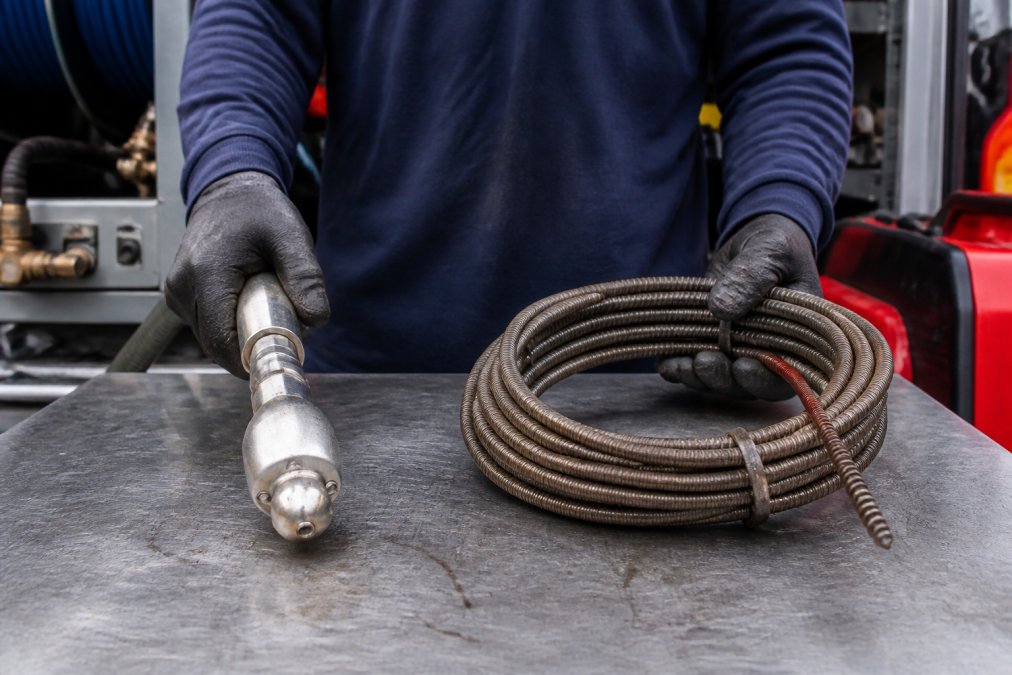
A drain plumbers snake punches through a clog and creates a channel for water to flow. It is fast, inexpensive, and effective for isolated hair clogs, debris accumulation, and soft blockages. What it does not do is clean the pipe walls. Grease, mineral scale, and biofilm cling to the interior of the drain pipe and will cause another clog within weeks if not removed.
Hydro jetting uses high-pressure water to scour the interior pipe walls clean, removing grease buildup, scale, and root intrusion that a snake cannot address. Many commercial properties, particularly restaurants, benefit from scheduled hydro jetting because kitchen drain lines accumulate grease faster than any snake can keep up with.
| Method | Best For | Limitations | Typical Use Case |
|---|---|---|---|
| Drain snake | Isolated clogs, hair, debris | Leaves pipe walls dirty | One-time household clog |
| Hydro jetting | Grease, scale, roots, buildup | Requires professional equipment | Commercial, recurring clogs |
Snaking is the right first step for most household drain unblocking. If the clog returns within a few weeks, or if the drain has been slow for months, hydro jetting is the better long-term solution.
Plumbing Camera Inspection Benefits You Shouldn’t Ignore
Camera inspection sends a small waterproof camera down the drain pipe, showing exactly what is causing the blockage and the condition of the pipe walls. Without a camera, a plumber works blind. A camera inspection reveals cracks, root intrusion, collapsed sections, and misaligned joints before any repair decision is made.
This matters especially for older properties. Pipes that have been snaked repeatedly without improvement often signal a structural problem rather than a simple clog. Camera inspection also protects homeowners from unnecessary excavation by identifying the precise location of a pipe defect, making repair work targeted rather than exploratory.
Professional Drain Cleaning Cost: What Drives the Price?
Professional drain cleaning cost varies based on several factors:
- Clog location and depth: A sink drain clog that clears in 20 minutes costs less than a main sewer line blockage requiring 100 feet of cable and an hour of labor.
- Method required: Basic drain snake service is typically most affordable. Hydro jetting and camera inspection require specialized equipment and add to the total.
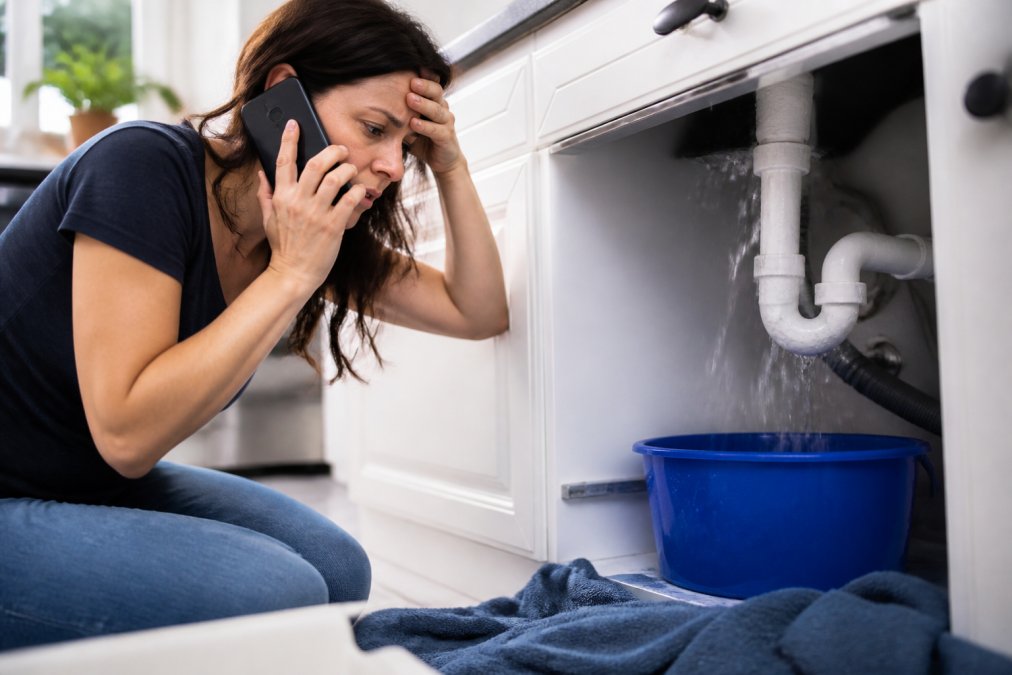
- Time of service: Emergency calls outside standard business hours often carry a premium rate.
- Pipe access: Drains requiring toilet removal, cleanout cutting, or confined crawl space work take longer and cost more.
- Severity and type of blockage: Root intrusion or a collapsed pipe section requires more labor and may involve additional repair work.
For current pricing, contact SWFL 24 Rooter directly for an accurate quote based on your specific situation.
As noted by the Environmental Protection Agency’s WaterSense program, regular plumbing maintenance, including professional drain cleaning, reduces the likelihood of emergency repairs that carry significantly higher costs.
When to Stop Snaking and Call a Professional Plumber
Call a professional plumber when:
- Multiple drains are slow or backed up simultaneously. This signals a main sewer line blockage, not an isolated fixture clog.
- The clog returns within days of clearing. Recurring blockages indicate either a structural problem or buildup that mechanical drain cleaning cannot fully address.
- You hear gurgling from other fixtures when one drain is used. This points to a venting issue or a sewer line obstruction affecting the whole system.
- The snake will not advance past a certain point. This often means a collapsed pipe section, major root intrusion, or severe buildup requiring hydro jetting or camera inspection.
- There is sewage odor or visible sewage backup. This is a health hazard and a sign of a serious sewer line problem.
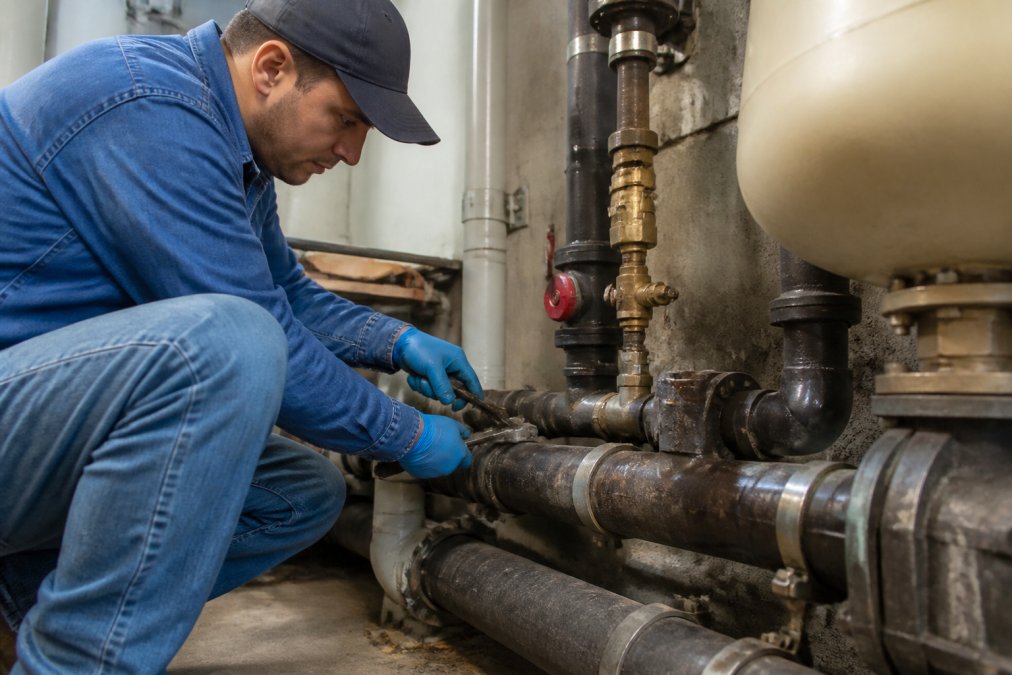
- The pipe is old cast iron or clay. Aggressive snaking on deteriorated pipes can cause cracks or joint failures. Camera inspection first is the right call.
A drain plumbers snake is a capable tool for the right job. The mistake is treating it as the answer to every plumbing problem.
For recurring or complex drain problems, the Plumbing-Heating-Cooling Contractors Association’s consumer resources recommends consulting a licensed plumber rather than continuing to attempt mechanical clearing that is not resolving the underlying issue.
A drain plumbers snake solves isolated clogs fast. When the same drain backs up repeatedly, when multiple fixtures are affected, or when the pipe is old, the problem is structural, and that requires professional diagnosis, not more snaking.
Frequently Asked Questions
What is the average cost for a plumber to snake a drain?
Professional drain cleaning cost varies based on the severity of the blockage, the pipe diameter, and the time of day the service is requested. Emergency calls made late at night or on weekends typically carry higher rates than standard daytime visits. Because pricing depends on your specific situation, the best way to get an accurate number is to contact a licensed plumber directly for a quote before the work begins.
Can a drain snake damage my home’s plumbing pipes?
A drain plumbers snake used correctly rarely damages pipes, but the risk rises with older or corroded plumbing. Forcing a cable that is too stiff or too large for the pipe diameter can scratch the interior or crack brittle material. If your pipes are aging, a waterproof camera inspection before snaking can identify weak spots and help a technician choose the right cable gauge and approach to protect pipe integrity.
Is a drain auger better than a snake?
The terms are often used interchangeably, but a plumbing auger typically refers to a heavier-duty version of a drain snake, often motor-driven and designed for deeper or tougher blockages in larger pipe diameters. For most household hair clogs near the drain trap, a standard manual snake works fine. For deep obstructions or commercial-scale blockages, a heavy-duty auger or hydro jetting delivers more reliable, longer-lasting results.
How often should I have my drains professionally cleaned?
Most plumbing professionals recommend a professional drain cleaning at least once a year for residential properties. High-use properties like restaurants or apartment complexes may need service every three to six months to prevent grease buildup and recurring blockages. Installing drain strainers and avoiding putting grease or debris down sinks between service visits extends the time between professional cleanings and reduces emergency calls.
Persistent drain problems rarely solve themselves. At SWFL 24 Rooter, our licensed and insured technicians respond within one hour, equipped with professional-grade drain snakes, hydro jetting systems, and waterproof camera inspection technology to diagnose and resolve the actual cause of your clog, not just the symptom. Schedule now with SWFL 24 Rooter and get a drain that stays clear.
This article was written using GrandRanker