 941-404-2564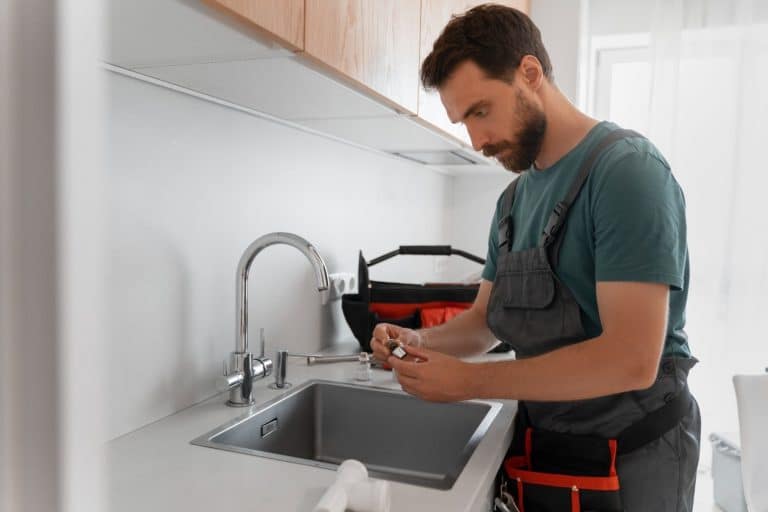
Is your morning shower a disappointing trickle? Does your kitchen faucet barely fill a pot? Low water pressure in your house is one of the most frustrating plumbing problems a homeowner can face — and it can appear suddenly or creep up slowly over time.
In this definitive guide, the expert plumbers at SWFL 24 Rooter and Drain break down everything you need to know: what causes low water pressure, how to test and fix it yourself, and when to call a Plumber for Low Water Pressure before the problem gets worse.
1. What Is Normal Water Pressure for a Home?
Before diagnosing any issue, you need to understand what normal water pressure for a home looks like. House water pressure is measured in PSI (pounds per square inch).
- Ideal home water pressure: 45–80 PSI
- Minimum acceptable: 40 PSI
- Maximum safe limit: 80 PSI
What should water pressure be in your house? For most single-story homes, 50–60 PSI is the sweet spot. If you have a two-story home, the recommended water pressure for a 2-story house is slightly higher — around 60–70 PSI — to ensure adequate pressure on the upper floors.
Anything below 40 PSI qualifies as low water pressure, and anything above 80 PSI is considered high water pressure in your house, which brings its own risks (more on that later).
2. Signs You Have a Water Pressure Problem
Wondering what low water pressure means for your daily life? Here are the most common complaints our team at SWFL 24 Rooter and Drain hears from customers:
- Your shower feels weak — shower water pressure is low even on full blast
- Filling the bathtub takes forever — low water pressure in the bathtub or tub faucet
- The kitchen faucet barely flows — poor water pressure in the kitchen faucet
- Water pressure in the bathroom sink is low, even after cleaning the aerator
- Appliances like dishwashers and washing machines take much longer than usual
- You notice water pressure drops suddenly when someone flushes a toilet or turns on another tap
- There’s no water pressure in one faucet, but the rest of the house seems fine
- Water pressure randomly goes low throughout the day with no clear pattern
Any of these symptoms points to a water pressure issue that needs attention. Left untreated, poor water pressure can signal deeper plumbing problems that get more expensive to repair over time.
3. What Causes Low Water Pressure in a House?
Understanding the causes of low water pressure is the first step toward fixing it. There are several culprits — some are simple DIY fixes, others require a professional. Here are the most common reasons for low water pressure our plumbers encounter:
Clogged or Corroded Pipes
Over the decades, mineral deposits (especially calcium and lime from hard water) build up inside your pipes. This narrows the internal diameter and restricts flow. This is one of the most common causes of low water pressure in a house — especially in older homes with galvanized steel pipes.
A Failing Water Pressure Regulator
Most homes have a water pressure regulator (PRV) installed near the main shutoff valve. Can a bad water pressure regulator cause low water pressure? Absolutely — yes. When this bell-shaped device fails, it can cause sudden low water pressure in the house or erratic fluctuations where water pressure goes up and down unpredictably. Replacing a bad PRV is one of the most effective low water pressure solutions.
Partially Closed Shutoff Valves
This is surprisingly common after plumbing work. If a main shutoff valve or meter valve was not fully reopened, it restricts flow throughout the entire house. If you’re experiencing low water pressure after a plumbing repair, this is the first place to check. It could also explain low water pressure in the house all of a sudden right after any service.
Leaking Pipes
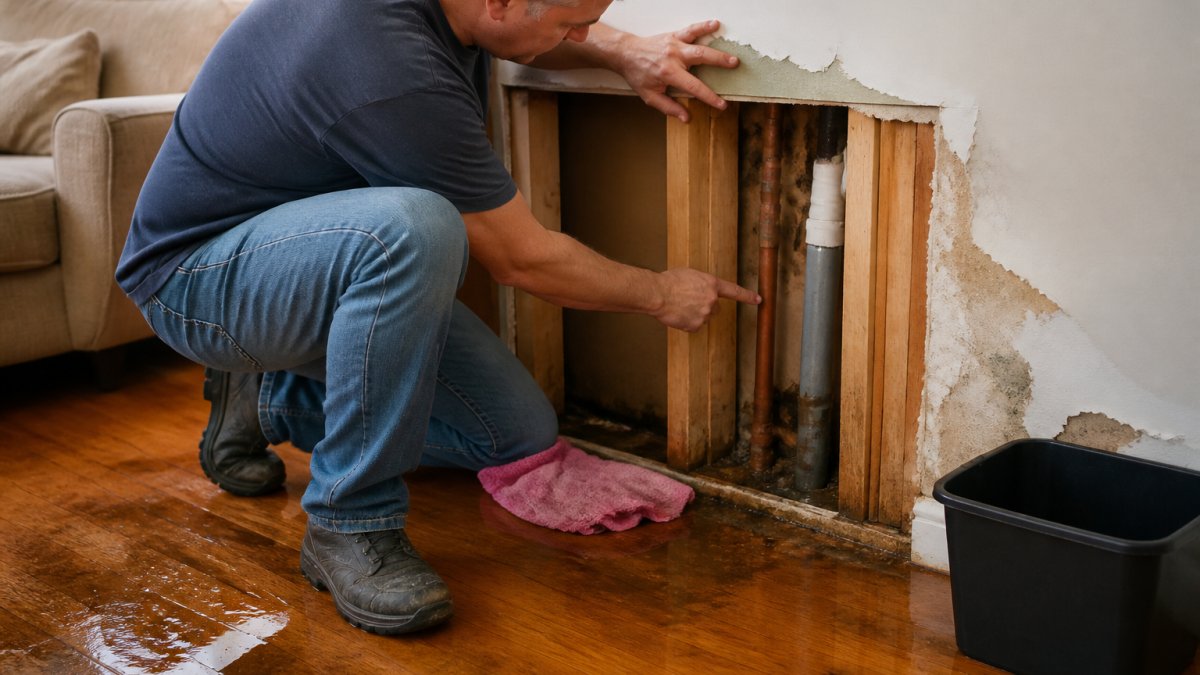
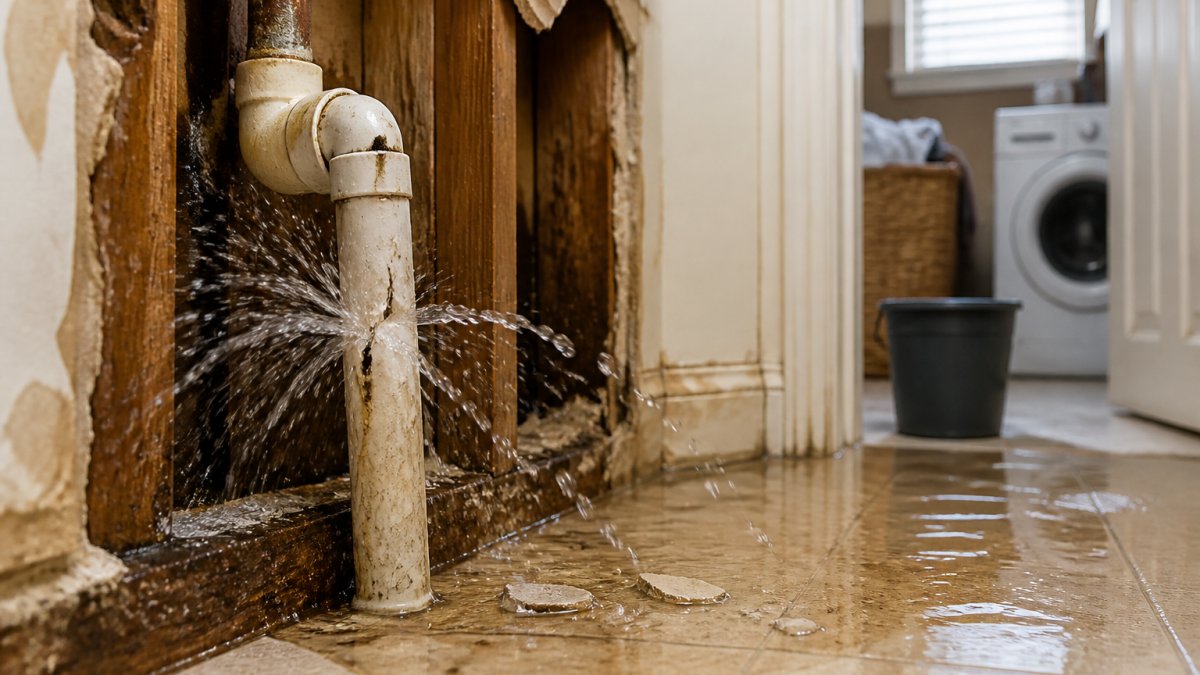
A hidden leak somewhere in your plumbing system diverts water before it reaches your fixtures. This causes decreased water pressure in the house and can also lead to structural water damage. If you have sudden loss of water pressure with no other explanation, a leak is a serious possibility.
Municipal Supply Issues
Sometimes the problem isn’t in your home at all — it’s the city’s supply. Water pressure issues in your area can affect the whole neighborhood. Low supply pressure from the main line will translate directly to water pressure being low in the house. You can call your local utility company to check.
Shared Supply Lines
If you live in a neighborhood where many homes share the same supply main, water pressure drops during peak usage hours (mornings and evenings) are common. This explains why water pressure is low in the house suddenly at certain times of day.
Old or Undersized Pipes
Older homes were often built with smaller-diameter pipes that weren’t designed for today’s water demand. What causes low water pressure in a home with older construction often comes down to pipe size — the plumbing simply can’t keep up.
Faulty or Clogged Fixtures
Sometimes it’s not the whole house — it’s one fixture. A low water pressure in one tap situation is often caused by a clogged aerator screen or a worn-out cartridge inside the faucet. This is common when you have low water pressure in the bathroom faucet or low water pressure in the kitchen only.
Well Pump Problems
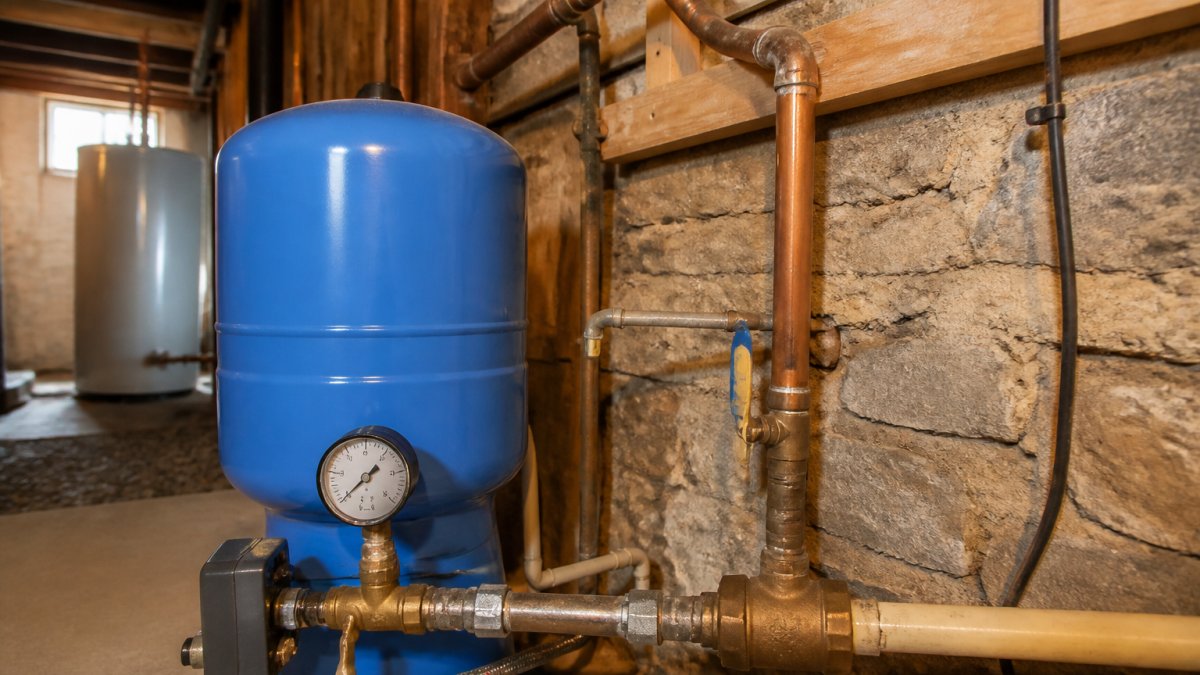
For homes on private wells, what causes low water pressure in a house with a well is often a failing pressure tank or pump. If your well pressure tank is waterlogged or the pump is wearing out, you’ll experience low water pressure in the house all of a sudden or pressure that drops sharply during use.
4. How to Test Water Pressure in Your House
Before you start fixing anything, you need to know exactly what your water pressure is in your house. Here’s how to test water pressure in your house step by step:
Step 1: Find an outdoor hose bib (spigot) or a washing machine connection — anywhere with a threaded faucet.
Step 2: Make sure no other water is running inside the house — no showers, no appliances, no flushing.
Step 3: Screw the pressure gauge onto the faucet and turn the water on fully.
Step 4: Read the PSI on the gauge dial.
- Below 40 PSI = Low water pressure problem confirmed
- 40–80 PSI = Normal range
- Above 80 PSI = High pressure — a PRV adjustment or replacement is needed
If you’re not comfortable doing this yourself, SWFL 24 Rooter and Drain offers free pressure diagnostics. Just give us a call, and we’ll send a licensed water pressure contractor to your home.
5. How to Fix Low Water Pressure — Room by Room
Now let’s talk solutions. Here’s a practical breakdown of how to fix low water pressure based on where you’re experiencing it.
How to Fix Low Water Pressure in the Kitchen Sink
If you have low water pressure in the kitchen sink or your kitchen faucet has low water pressure, start with the easiest fix: the aerator.
- Clean or replace the aerator — Unscrew the aerator tip from the end of the faucet spout. Soak it in white vinegar overnight to dissolve mineral buildup, then rinse and reattach. If it’s heavily corroded, replace it.
- Check the supply valves — Under the sink, make sure both the hot and cold shutoff valves are fully open.
- Inspect the supply lines — Kinked or damaged braided supply lines can restrict flow. If your kitchen sink loses water pressure after the above steps, replace the lines.
If your new faucet has low water pressure right after installation, the flow restrictor inside may be too aggressive — a plumber can adjust or remove it.
How to Fix Low Water Pressure in the Bathroom Sink
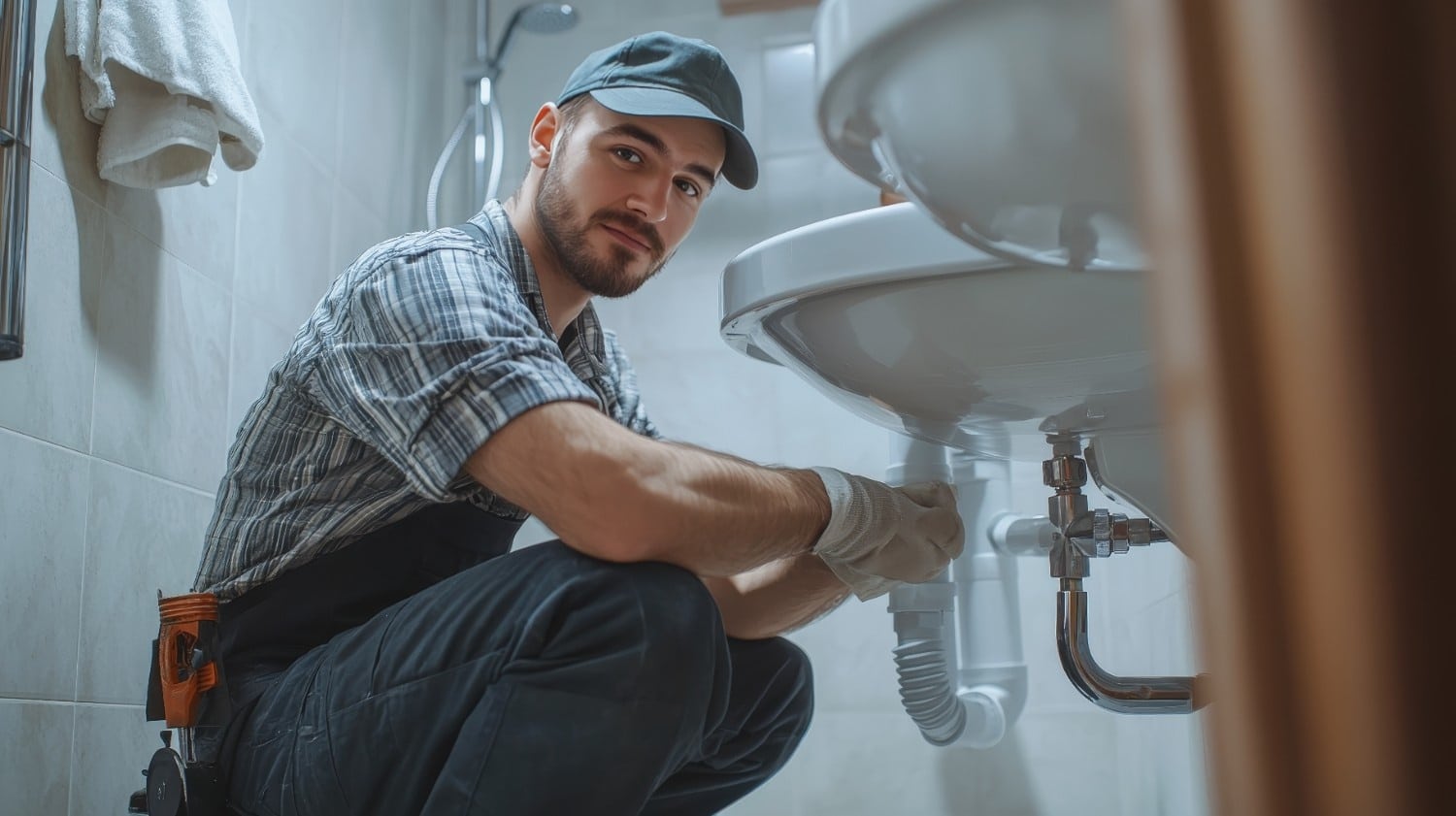
Low water pressure in the bathroom sink follows the same logic. Clean the aerator first, then check under-sink valves. If you’re seeing low water pressure in one faucet only while the rest of the house is fine, the problem is almost always the fixture itself or its immediate supply line.
For low water pressure in the bathroom faucet after cleaning the aerator, the faucet cartridge may be worn out. A plumber can replace it quickly and restore full flow.
How to Fix Low Water Pressure in the Shower
Low water pressure in the shower is the complaint we hear most often. Here’s how to fix it:
- Clean the showerhead — Remove it and soak in white vinegar for several hours to remove scale buildup. This alone often resolves shower water pressure issues.
- Check for a flow restrictor — Many modern showerheads have a built-in plastic flow restrictor disc. Removing it can significantly boost pressure (check local codes first).
- Upgrade your showerhead — If you want to fix my water pressure in the shower without calling a plumber, a high-pressure showerhead is an inexpensive upgrade.
- Check the shower valve — If you have bad water pressure in the shower only and the above steps don’t help, the pressure-balancing valve inside the wall may be failing. This requires a licensed plumber to repair.
Why is shower water pressure low even with a new showerhead? If you’ve already replaced the showerhead and shower water pressure is still low, the issue is upstream in your pipes — likely a partially closed valve, mineral buildup, or a bad PRV.
How to Fix Low Water Pressure in the Bathtub
Low water pressure in the bathtub or low water pressure in the tub is often caused by a worn diverter valve (the mechanism that switches water between the tub spout and shower). A plumber can replace this inexpensively. Also, check the tub faucet aerator if your bathtub faucet has low pressure.
How to Fix Low Water Pressure in the Whole House
If you have low water pressure in the house everywhere — not just one fixture — the fix requires addressing the system as a whole:
- Check and adjust the PRV — The pressure reducing valve has an adjustment screw. A quarter-turn clockwise typically raises pressure by several PSI. If the PRV is old and no longer responding, replacement is the best fix for whole-house low water pressure.
- Fully open main shutoff valves — Locate your main shutoff (usually near the water meter) and ensure it’s completely open.
- Inspect for leaks — Turn off all water in the house and check your meter. If the dial is still moving, you have a hidden leak that’s causing loss of water pressure in the home.
- Flush your water heater — Sediment buildup in the tank can restrict hot water flow, explaining why you have low hot water pressure in the house but normal cold pressure.
- Consider repiping — If your home has old galvanized pipes throughout, low water pressure repair may ultimately require a full or partial repipe. After repiping, how long to restore water pressure is typically immediate. You should see full pressure right away once the job is complete.
6. How to Increase Water Pressure in Your Home
If your pressure tests below 45 PSI, here are the most effective methods for how to increase water pressure in your house:
Method 1: Adjust the Pressure Reducing Valve
This is the fastest answer to how to raise water pressure in the house. The PRV is typically located near the main water shutoff, often in a utility closet or crawl space. Use a wrench to turn the adjustment bolt clockwise to increase pressure. Check the pressure gauge as you adjust and stop at 60–70 PSI.
Method 2: Install a Water Pressure Booster Pump
If your municipal supply simply doesn’t deliver enough pressure, a booster pump is the definitive solution to how to get more water pressure in the house. These systems install on the main line and amplify incoming pressure. SWFL 24 Rooter and Drain installs and services pressure booster systems throughout Southwest Florida.
Method 3: Replace Old Pipes
How can you increase water pressure in your house when the pipes themselves are the bottleneck? Replace them. Upgrading from galvanized steel to copper or PEX significantly improves flow and is the most long-lasting solution to how to increase water pressure house-wide.
Method 4: Fix Leaks
Repairing any active leaks immediately recovers the pressure that’s being lost. Even a small leak can cause a noticeable water pressure drop.
Method 5: Replace a Worn Pressure Tank (Well Systems)
For well-fed homes, having your pressure tank inspected and replaced if waterlogged will solve low water pressure in the house quickly and effectively.
7. High Water Pressure: The Opposite Problem {#high}
While most homeowners ask how to increase water pressure, some face the opposite challenge — high water pressure in the house. Pressure above 80 PSI:
- Damages appliances and plumbing fixtures
- Causes pipes to bang (water hammer)
- Can burst supply hoses on washing machines and dishwashers
- Dramatically increases water bills
If you need to know how to lower water pressure in the house, the solution is almost always adjusting or replacing the PRV. Turning the adjustment bolt counterclockwise reduces pressure. This is also the answer to how to reduce water pressure at home, how to turn down water pressure in the house, and how to decrease water pressure in the house — it all comes down to that pressure regulator.
Understanding why low water pressure is dangerous and why high water pressure is dangerous shows why staying in the 45–80 PSI window is so important. Both extremes cause real damage.
8. When to Call a Professional Plumber for Low Water Pressure
Who do you call for low water pressure? A licensed plumber — and specifically, one experienced with pressure systems. DIY fixes like cleaning aerators and checking valves are a great starting point, but these situations require a professional:
- Sudden water pressure loss in the whole house with no obvious cause
- No water pressure in the house at all — this could mean a main line break or meter issue
- Why is my water not working? If you have no water in the house, call your utility company first, then a plumber if the utility confirms no outage
- Water stopped working in the house — check the main shutoff hasn’t been accidentally closed, then call a plumber
- You suspect a hidden leak causing loss of water pressure in the home
- Sudden drop in water pressure in a house with a well
- PRV adjustment doesn’t restore normal pressure
- Low water pressure after a plumbing repair that didn’t exist before the work
- Why does my water pressure go up and down? — erratic pressure is a sign of a failing PRV or pressure tank
Can a plumber fix water pressure? Yes — and at SWFL 24 Rooter and Drain, we fix water pressure problems every day. From simple PRV adjustments to full repiping, our licensed plumbers diagnose and resolve water pressure issues fast, with transparent pricing and no surprise fees.
Who do I call if my water pressure is low? Call SWFL 24 Rooter and Drain at [+1 (941)404-2564]. We serve Southwest Florida with 24/7 emergency plumbing service.
9. Frequently Asked Questions About Water Pressure
1. Why is my water pressure suddenly low?
Sudden low water pressure in the house is usually caused by one of four things: a main shutoff valve that was bumped partially closed, a PRV that has failed, a pipe that has burst or started leaking, or a municipal supply issue. If neighbors are also affected, it’s likely a city supply problem. If it’s just your home, call a plumber.
2. Why is water pressure low in only one sink?
If water pressure is low in only one sink, the problem is localized to that fixture. Start by cleaning the aerator. If that doesn’t help, check the supply valves under the sink and inspect the supply lines for kinks. A reduced water pressure in one faucet scenario rarely requires more than a $10 fix.
3. What does it mean when you have no water pressure?
What does it mean when you have no water pressure at all? It could mean a complete main line failure, a shut-off valve that’s fully closed, or a well pump that has stopped working. If you suddenly have no water in the house, check your main shutoff valve first, then call SWFL 24 Rooter and Drain for emergency service.
4. Why is my water pressure low in my shower but fine elsewhere?
This points to a clogged showerhead, a worn shower valve, or a flow restrictor that’s too aggressive. My water pressure is low in my shower — but normal at other fixtures — is almost never a whole-house issue.
5. Why is my kitchen sink water pressure low but other faucets are fine?
Low water pressure in the kitchen only usually means a clogged aerator, a partially closed valve under the sink, or a failing kitchen faucet cartridge. If you have poor water pressure in the kitchen even after cleaning the aerator, a plumber can replace the faucet cartridge in under an hour.
6. Why is my water pressure low all of a sudden with a well?
If you have sudden low water pressure in a house with a well, the most common causes are a waterlogged pressure tank, a failing pump, or a drop in the water table. Have a plumber inspect your well system promptly — well pump problems tend to worsen quickly.
7. How do I know if my PRV is bad?
Signs of a failing PRV include water pressure randomly going low in the house, pressure that drops suddenly, or pressure that is consistently lower than it used to be. A plumber can test your PRV with a gauge in minutes.
8. Is low water pressure dangerous?
Why is low water pressure dangerous? Beyond the inconvenience, very low pressure can allow contaminants to backflow into your supply lines, inadequately flush plumbing fixtures, and signal an active leak that could cause structural damage. Address water pressure being low promptly.
9. What causes no water pressure in the bathroom faucet?
No water pressure in the bathroom faucet while other fixtures work normally usually means a completely clogged aerator, a fully closed supply valve, or a failed faucet cartridge. If the faucet is old, replacement is often the most economical fix.
Why Choose SWFL 24 Rooter and Drain for Your Water Pressure Repair?
At SWFL 24 Rooter and Drain, we’ve been solving water pressure issues for Southwest Florida homeowners for years. Whether you’re dealing with low water pressure in the bathroom, water pressure suddenly dropping, no water pressure in the house, or you simply want to know how to increase water pressure in your home, our licensed plumbers have the tools and experience to get it done right the first time.
Our water pressure services include:
- Free pressure diagnostics and testing
- PRV adjustment, repair, and replacement
- Whole-house and zone leak detection
- Pipe cleaning, descaling, and repiping
- Well pump and pressure tank service
- Booster pump installation
- Emergency 24/7 service for sudden water pressure loss
Don’t let poor water pressure ruin your day. Call SWFL 24 Rooter and Drain today at [+1 (941)404-2564] or visit swfl24rooter.com to schedule your appointment. We offer same-day service and transparent, upfront pricing — because fixing your home water pressure shouldn’t be complicated.