 941-404-2564
Table of Contents
- What Constitutes a Plumbing Emergency
- Emergency Plumbing Service Fee Breakdown
- Factors That Drive Emergency Plumbing Costs Higher
- Common Plumbing Emergencies and What They Typically Involve
- What to Do Before the Emergency Plumber Arrives
- Does Homeowners Insurance Cover Emergency Plumbing?
- How to Find a Reliable Emergency Plumber
- Conclusion
Last Updated: August 28, 2026
What Constitutes a Plumbing Emergency
A plumbing emergency is any situation where water, sewage, or gas poses an immediate risk to your property, health, or safety if left unaddressed for more than a few hours. The distinction matters because it directly affects how much you pay. Calling an emergency plumber at 2 AM costs significantly more than scheduling a visit during standard business hours.
Situations That Can Wait vs. Ones That Cannot
Cannot wait, call an emergency plumber immediately:
- Burst or actively leaking pipes flooding a room
- Complete sewer line backup with sewage surfacing in drains or the yard
- Water heater failure with water pooling or a gas smell
- Toilet overflow that won’t stop with the shut-off valve turned
- Any plumbing issue combined with a suspected gas leak
Can likely wait until morning or Monday:
- A single slow-draining sink with no backup elsewhere
- A running toilet that isn’t overflowing
- Low water pressure with no visible leak
- A dripping faucet
If water is actively spreading, sewage is involved, or you smell gas, it’s an emergency. If it’s inconvenient but contained, you can often schedule a same-day or next-day visit at standard rates.
Emergency Plumbing Service Fee Breakdown
Emergency plumbing costs more than standard service. The total bill typically combines a service call fee, hourly labor rate, parts, and applicable surcharges.
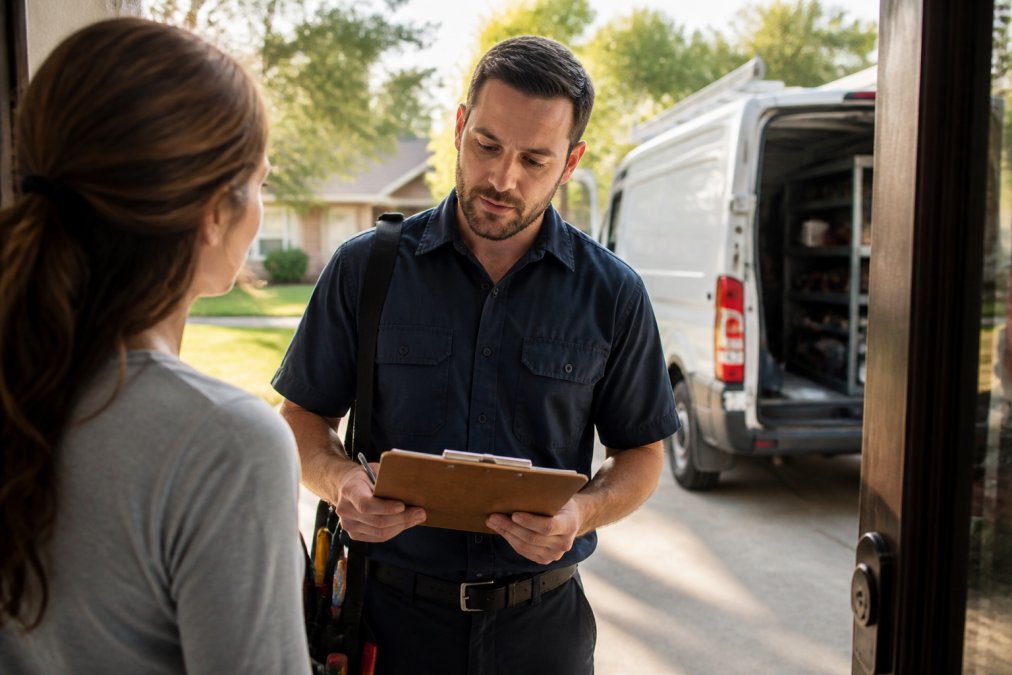
The service call fee covers the cost of dispatching a licensed professional to your location. Always ask whether this diagnostic fee is credited toward the total project cost if you hire the plumber.
Hourly Rates vs. Flat-Rate Pricing Models
Hourly rate pricing charges you for actual time spent on your job, plus parts. The rate rises sharply outside standard business hours. According to HomeAdvisor’s plumbing cost guide, emergency calls command a significant premium over daytime rates.
Flat-rate pricing means the plumber quotes a fixed price per job type before work begins. This offers price transparency and protects you if the job runs long, though simple jobs might cost more than they would under hourly billing.
| Pricing Model | How It Works | Best For | Watch Out For |
|---|---|---|---|
| Hourly rate | Charged per hour of labor, plus parts | Complex jobs with unpredictable scope | Open-ended bills if job runs long |
| Flat-rate | Fixed price per job type | Clear, simple repairs with known scope | Overpaying on fast, straightforward fixes |
| Minimum charge | A floor fee regardless of time spent | Short jobs under one hour | Being charged an hour for a 15-minute fix |
After-Hours, Weekend, and Holiday Surcharges
Plumbing contractors typically apply an after-hours surcharge for calls outside standard business hours, with separate weekend premiums and higher holiday rates. Some contractors charge a flat emergency dispatch fee in addition to these rate adjustments.
If your situation can safely wait until 7 or 8 AM on a weekday, the cost difference can be substantial. If it cannot wait, pay the premium and protect your property.
Never agree to emergency plumbing work without receiving a written cost estimate first. A verbal quote that doubles by invoice time is a red flag for predatory pricing. Reputable plumbing contractors provide written estimates before starting work.
Factors That Drive Emergency Plumbing Costs Higher
Time of call. Evenings, weekends, and holidays all carry premium pricing.
Geographic location. Urban areas and regions with higher costs of living generally have higher plumbing labor rates. According to Bureau of Labor Statistics occupational employment data, plumbers earn significantly different median wages across states and metropolitan areas.
Job complexity. A clogged drain is straightforward. A sewer line backup requiring hydro jetting, camera inspection, and partial excavation is not.
Accessibility. If a plumber needs to access pipes inside walls, under a slab, or in a crawl space, labor time increases.
Parts availability. After-hours calls sometimes require sourcing parts from emergency suppliers at higher costs.
Parts vs. Labor: Understanding the Split
Parts can represent a significant portion of the total project cost. A reputable plumbing contractor will itemize labor and materials separately on the invoice. If a quote bundles everything into a single number with no breakdown, ask for the split.
Ask the plumber whether they charge for parts at cost or with a markup, and whether you could supply your own parts to reduce the bill. Many contractors prefer to supply parts themselves for warranty reasons, but knowing the answer helps you understand the full cost structure.
Common Plumbing Emergencies and What They Typically Involve
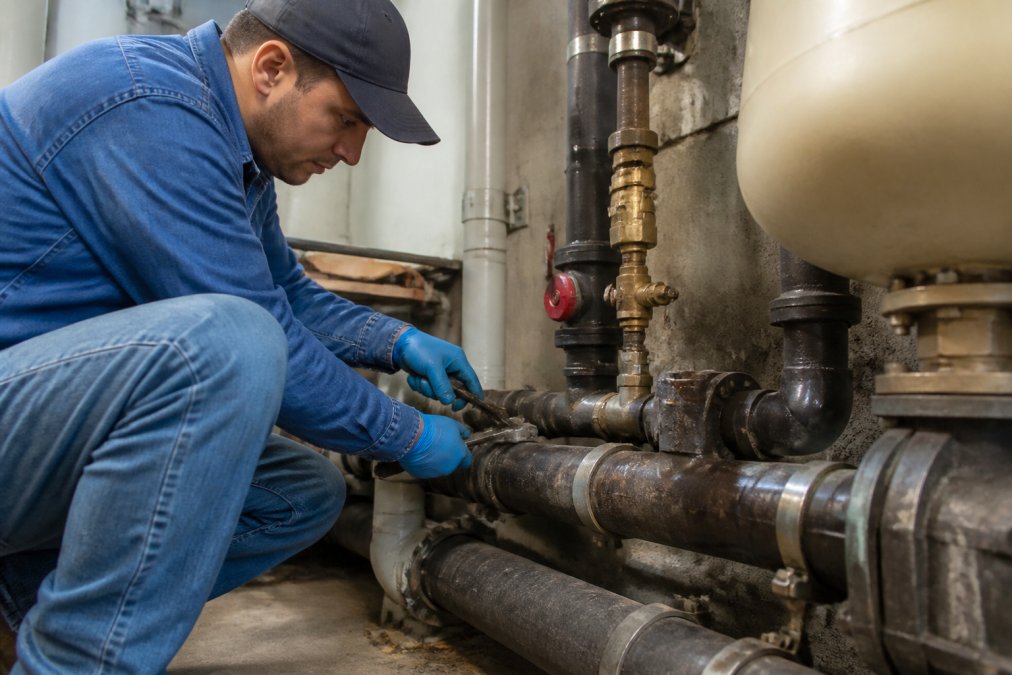
Pipe burst. Requires shutting off water, locating the break, cutting out the damaged section, and installing a replacement. If inside a wall, drywall access adds time and cost.
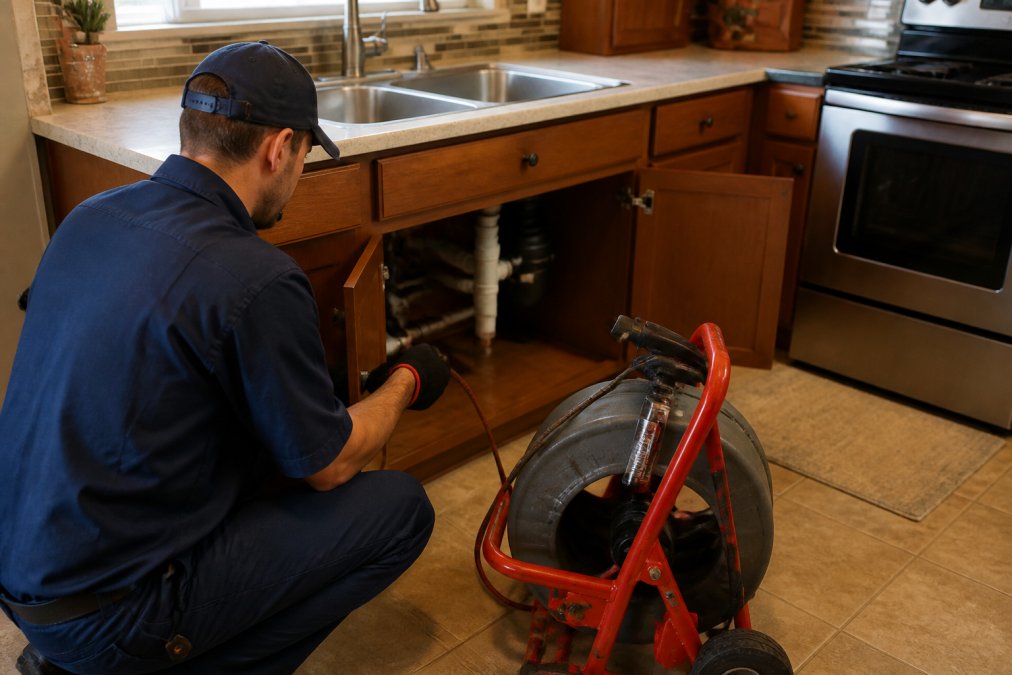
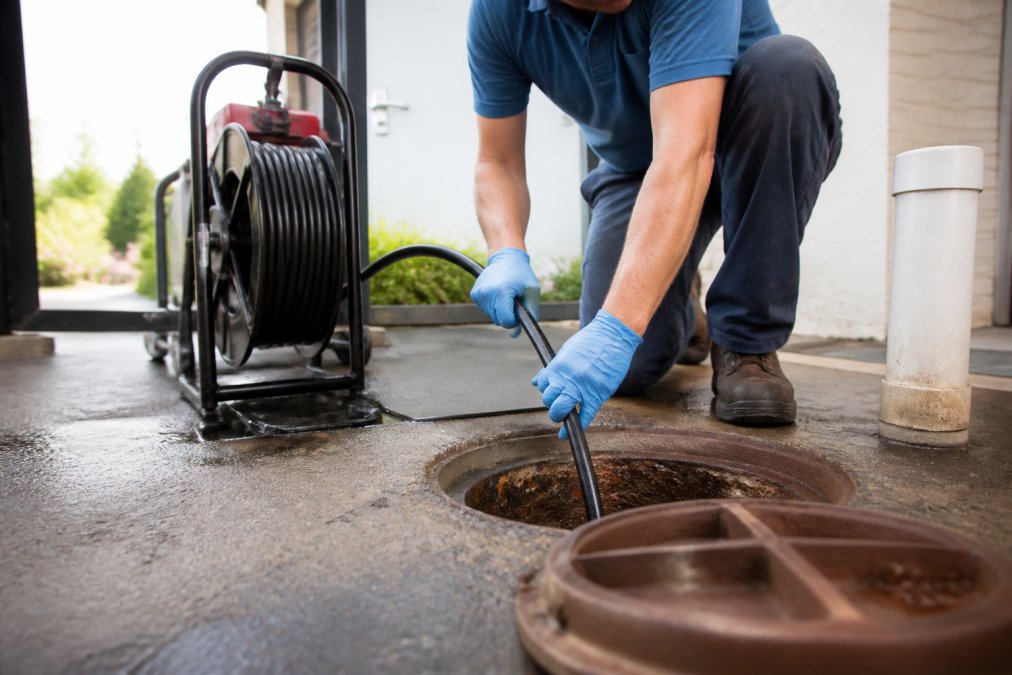
Sewer line backup. Often requires a camera inspection to locate the blockage, followed by hydro jetting or mechanical snaking. Tree roots or collapsed sections expand the scope significantly.
Water heater failure. Diagnosis determines whether it’s a heating element, thermostat, or full unit failure. Full replacements involve draining the tank, disconnecting lines, and installing the new unit.
Clogged drain with overflow. Ranges from a simple snake to full hydro jetting, depending on blockage type and location.
Toilet overflow that won’t stop. Usually a flapper, fill valve, or float issue. Fast to fix if parts are on the truck.
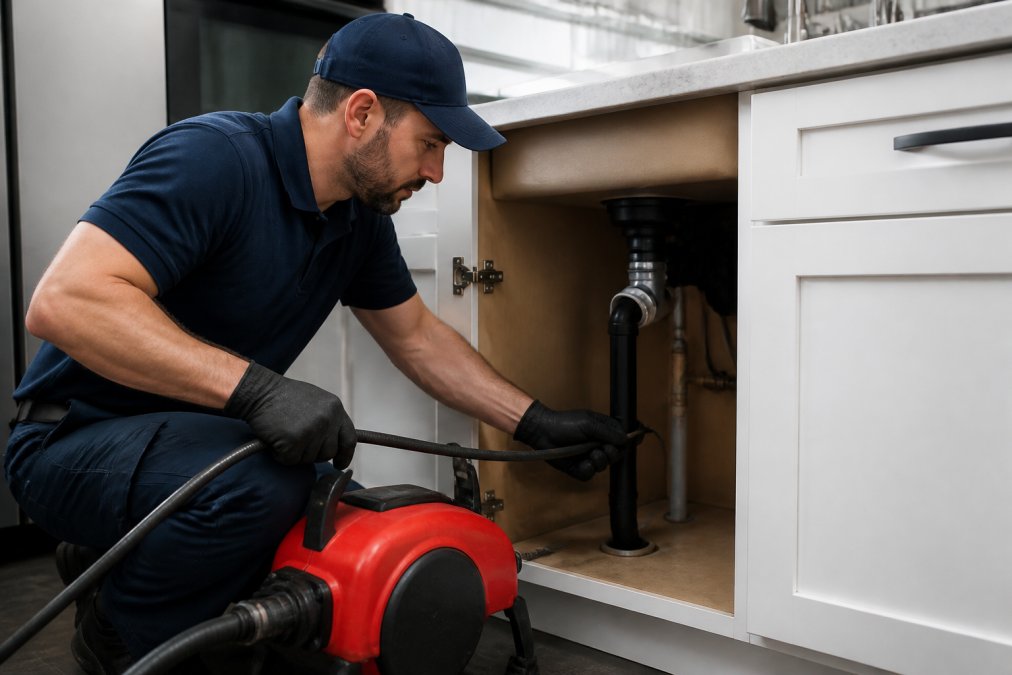
Every situation benefits from a licensed professional who can diagnose accurately before committing to a repair path.
What to Do Before the Emergency Plumber Arrives
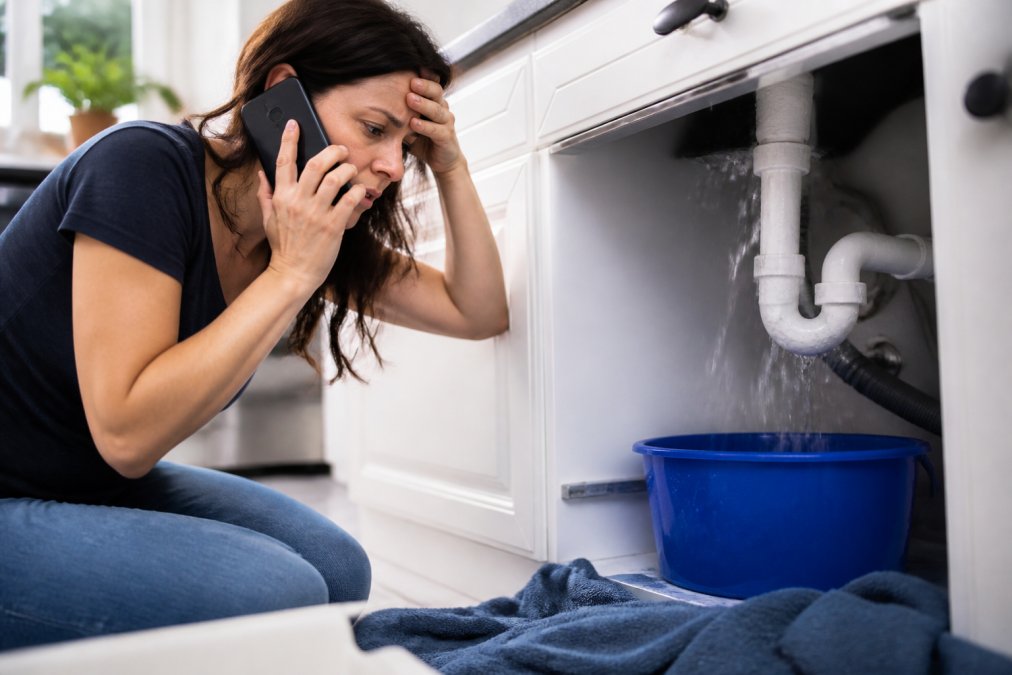
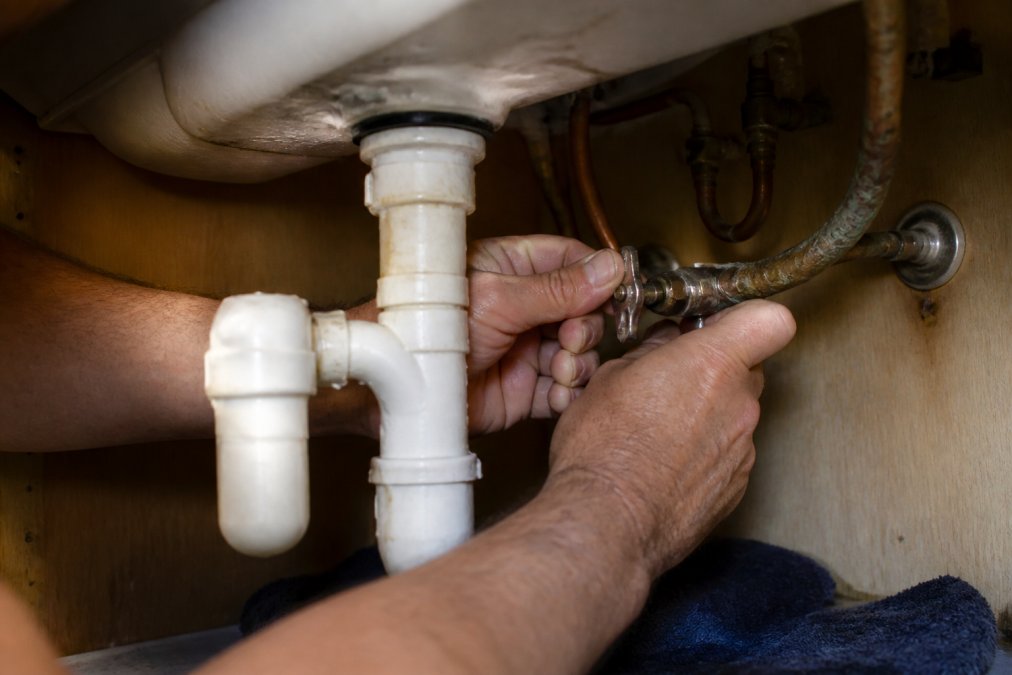
Step 1: Shut off the water supply. For a localized problem, use the fixture’s individual shut-off valve. For a burst pipe or unknown source, go to the main shut-off for the house.
Step 2: Turn off the water heater. If the main supply is off, turn off the water heater too.
Step 3: Document the damage. Take photos and video before cleanup for insurance purposes.
Step 4: Clear the area. Move valuables, electronics, and furniture away from the affected area.
Step 5: Do not use chemical drain cleaners. These can damage pipes and create a hazardous environment for the technician.
Safe DIY Temporary Fixes to Limit Damage
For a burst pipe: Wrap the break tightly with rubber sheeting and a hose clamp, or use a pipe repair clamp. This is temporary only.
For a running toilet that won’t stop: Lift the tank lid and manually push the flapper down. A rubber band can hold it temporarily.
For a slow or partial drain backup: Stop using that fixture entirely until the plumber clears the line.
For a leaking joint: Plumber’s tape wrapped around a threaded joint can slow a drip temporarily.
Do not attempt anything involving gas lines, main sewer line access, or repairs requiring cutting into walls or flooring.
Does Homeowners Insurance Cover Emergency Plumbing?
Standard homeowners insurance policies typically cover sudden and accidental water damage, meaning if a pipe bursts without warning and damages your floors and walls, the resulting damage may be covered. The plumbing repair itself is usually not covered. Insurance pays for damage caused by the failure, not the cost of fixing the plumbing.
What is almost never covered: gradual leaks, maintenance issues, or damage from neglected repairs. According to Insurance Information Institute guidance on water damage coverage, coverage depends heavily on the cause and whether the homeowner took reasonable steps to prevent it.
Practical steps to protect your claim:
- Call your insurance company immediately after calling the plumber
- Document everything with photos before cleanup
- Keep all invoices from emergency plumbing and remediation work
- Do not discard damaged materials before the adjuster inspects
Flood damage from external sources requires a separate flood insurance policy.
Homeowners insurance typically covers water damage to your home’s structure and contents from a sudden pipe failure, but it does not pay the [emergency plumber](/if-you-are-located-in-venice-fl-an-looking-for-the-best-emergency-plumber-near-me/)’s bill.
How to Find a Reliable Emergency Plumber
Having a vetted plumber’s number saved before an emergency is one of the most practical home maintenance steps you can take. SWFL 24 Rooter fields calls at all hours with a guaranteed one-hour response time, licensed and insured technicians, and clear explanations of findings and work performed.
Vetting a Plumbing Contractor to Avoid Predatory Pricing
Verify the license. Every state requires plumbing contractors to hold a valid license. In Florida, the Department of Business and Professional Regulation maintains a public lookup tool where you can verify any contractor’s license status.
Confirm insurance. A plumbing contractor without liability insurance and workers’ compensation coverage exposes you to significant financial risk.
Ask for a written estimate before work begins. Any contractor who refuses or pressures you to approve work verbally is a contractor to avoid.
Check for hidden fees. Ask specifically about trip charges, whether the diagnostic fee is credited toward the repair, and parts markups. A transparent contractor answers these questions without hesitation.
Look for a service agreement option. For recurring plumbing issues, a service agreement with a vetted contractor typically offers priority dispatch, consistent pricing, and preventative maintenance scheduling.
Choosing the first name in a search at 2 AM without verification is a mistake. Spending two minutes checking a license number and reading recent reviews prevents far more expensive problems.
Emergency plumbing costs are real, and urgency makes it easy to agree to terms you’d never accept in a calmer moment. The best protection is preparation: know where your shut-off valves are, have a vetted plumber’s number saved, and understand what your homeowners insurance covers before you need it. SWFL 24 Rooter provides 24/7 emergency plumbing services with a guaranteed one-hour response, licensed and insured technicians, and advanced tools including hydro jetting and waterproof camera inspections to diagnose problems accurately the first time. Schedule now and get the reliable emergency plumbing service your property deserves.
Frequently Asked Questions
Is emergency plumbing more expensive than standard service?
Yes, emergency plumbing costs more than scheduled work. The gap comes from after-hours surcharges, trip charges, and the premium plumbing contractors charge for immediate dispatch outside standard business hours. Weekend and holiday rates are typically the highest. The total project cost also depends on how complex the repair is, how long it takes, and whether replacement parts are needed on the spot. Contacting a plumber directly for a cost estimate before work begins is the best way to avoid surprise charges.
What factors influence the hourly rate of an emergency plumber?
Several variables push the hourly labor rate up or down: the time of day and day of week, the type of emergency (a pipe burst costs more to address than a clogged drain), the plumber's licensing level, geographic location, and whether the job requires specialty equipment like hydro jetting or a camera inspection system. A diagnostic fee or minimum charge often applies before any labor begins. Always ask for a written cost estimate that separates labor and materials before authorizing work.
What do I do if I can't afford an emergency plumber?
Check your homeowners insurance policy first, sudden and accidental water damage from a pipe burst or water heater failure is often covered, though gradual leaks typically are not. Some plumbing contractors offer payment plans or financing. For very minor issues, a temporary DIY fix (shutting the main water valve, using a pipe patch clamp) can buy time until you can schedule a non-emergency appointment at a lower rate. Never delay on a sewer line backup or active leak, as water damage compounds costs quickly.
Are there flat-rate fees for emergency plumbing services?
Some plumbing contractors use flat-rate pricing for defined jobs like unclogging a drain or replacing a standard fixture, while others bill hourly plus a service call fee. Flat-rate pricing offers more cost predictability, but confirm upfront what happens if the job turns out to be more complex than expected. Ask whether the quoted flat rate includes parts, the trip charge, and any diagnostic fee, so you can compare total project cost accurately across providers.
This article was written using GrandRanker