 941-404-2564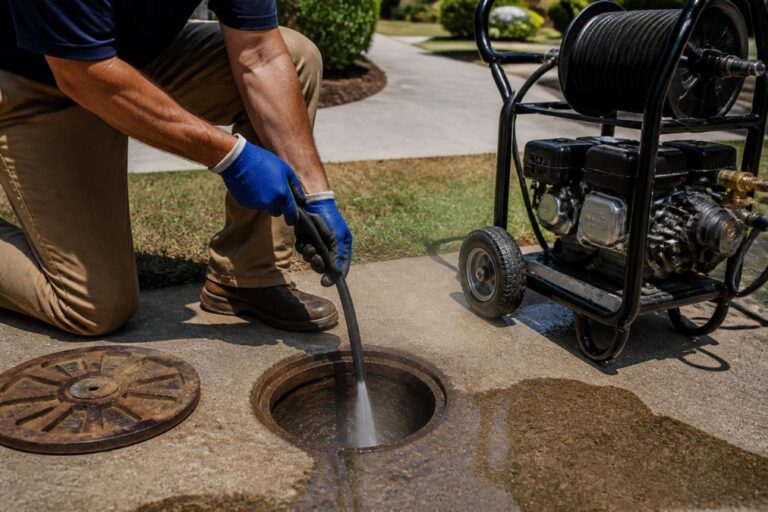
Table of Contents
- What Professional Hydro Jetting Actually Does
- Signs You Need Hydro Jetting vs. a Simple Snake
- Hydro Jetting vs. Chemical Drain Cleaners: Safety and Results
- Average Cost of Hydro Jetting Main Sewer Line Services
- Why the Camera Inspection Comes First
- When Hydro Jetting Is Not the Right Call
- Verdict: Weighing the Upfront Price Against Repeat Calls
- Frequently Asked Questions
Last Updated: September 8, 2026
What Professional Hydro Jetting Actually Does
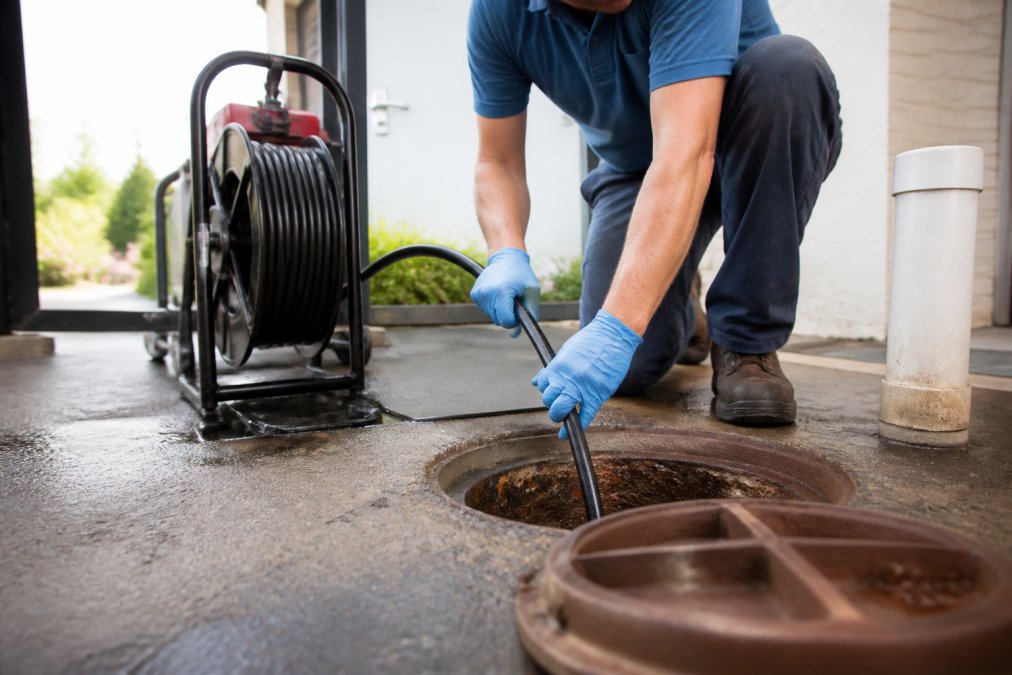
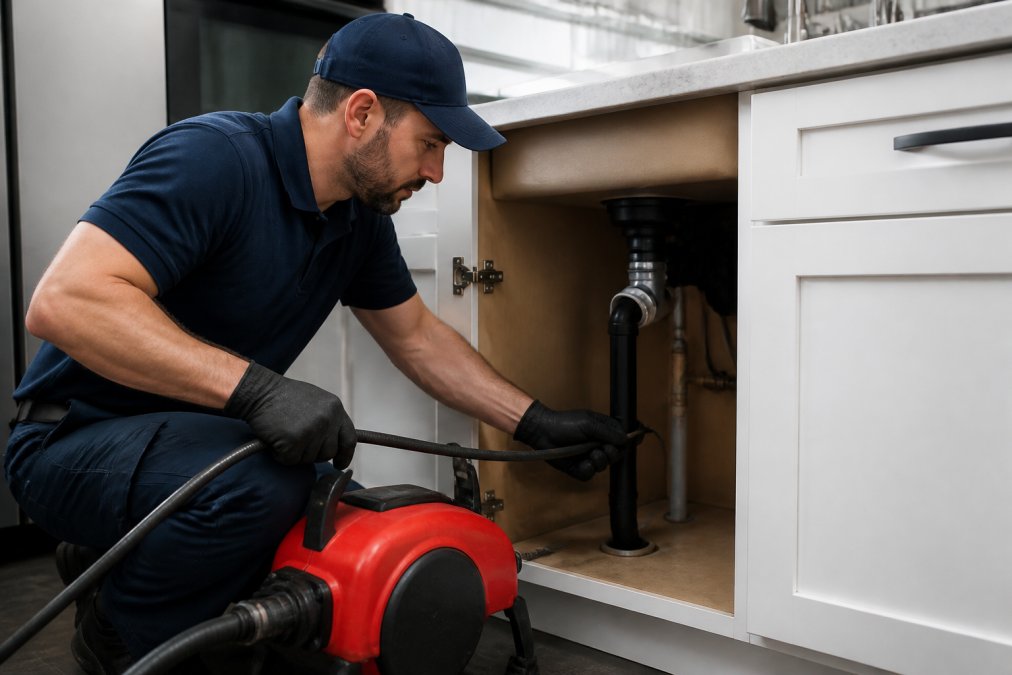
Hydro jetting is a drain cleaning method that uses highly pressurized water, often 3,000 to 4,000 PSI, to scour the inside of a sewer line and wash away buildup that snaking cannot remove. Unlike a drain snake or auger, which punches a hole through a blockage, hydro jetting cleans the full circumference of the pipe wall. This distinction matters because a snake leaves grease, sludge, and scale behind, and that residue re-accumulates quickly.
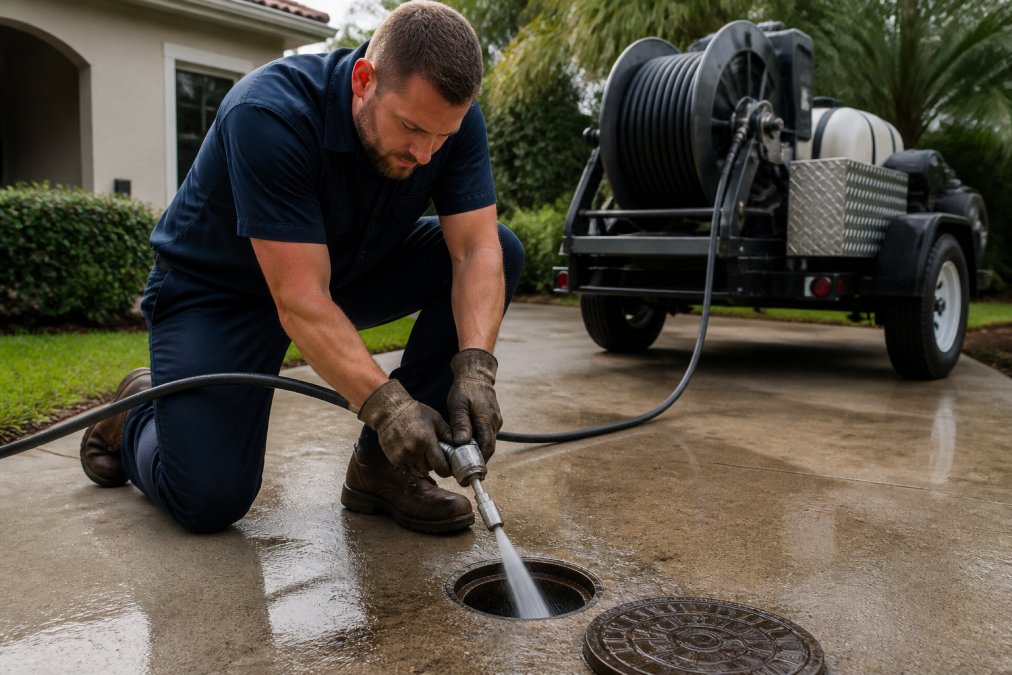
Professional hydro jetting addresses the entire drainage system, removing tree roots, mineral scale, and years of debris in one pass.
The high-pressure water also rinses the pipe clean, restoring nearly original flow capacity. According to EPA guidance on maintaining septic and sewer systems, routine maintenance of your drainage system prevents costly and disruptive failures.
Signs You Need Hydro Jetting vs. a Simple Snake
Most clogs start simple. Hair in a bathroom drain, a wiped-out kitchen sink, or a single flushed item responds well to a basic auger. The decision point arrives when the same drain keeps clogging, or when multiple fixtures back up at once.
You likely need hydro jetting rather than snaking when you notice:
- Recurring clogs in the same drain within weeks of clearing
- Multiple fixtures backing up simultaneously, which signals a main line issue
- Gurgling sounds from toilets or drains after flushing
- Slow drainage throughout the house despite individual fixes
- Sewage odor rising from drains or the yard
These signs indicate a systemic buildup of grease, sludge, or tree roots along the pipe wall, not a single obstruction. A camera inspection can confirm the cause, but the pattern of repeat calls usually tells the story. If you’re on your third snake in six months, the snake is not the solution; hydro jetting is.
Hydro Jetting vs. Chemical Drain Cleaners: Safety and Results
The comparison between hydro jetting and chemical drain cleaners is not close. Chemical cleaners use caustic solutions that generate heat to dissolve organic matter, but they pose real risks to both your pipes and your safety.
Chemistry matters here only in what it does to your plumbing. Caustic drain cleaners can weaken PVC joints and corrode older cast iron pipes over time. Worse, if a chemical cleaner fails to clear a complete blockage, the standing water now contains a concentrated caustic solution that poses a burn hazard to anyone who must then work on the line. Professional plumbers often must neutralize these chemicals before they can even begin their repair.
Hydro jetting carries no such chemical risk. It relies on hydrostatic pressure and water volume to break apart debris and flush it away. The Occupational Safety and Health Administration guidance on hazard communication underscores why handling concentrated chemicals without proper training is dangerous. For results, hydro jetting cleans the pipe wall, while chemicals merely dissolve a channel through the buildup.
| Method | What It Removes | Pipe Wall Cleaned | Safety Risk | Lasting Result |
|---|---|---|---|---|
| Chemical Cleaners | Organic sludge | No | Chemical burns, pipe corrosion | Days to weeks |
| Drain Snake | Core of blockage | No | Low | Weeks to months |
| Hydro Jetting | Grease, roots, scale, sludge | Yes | Low | Months to years |
Average Cost of Hydro Jetting Main Sewer Line Services
The cost of hydro jetting a main sewer line is not a single, fixed number. Most homeowners pay between $300 and $600 for a standard main line cleaning, according to HomeAdvisor’s cost guide for hydro jetting services. However, that baseline can climb to $800 or more for longer runs, heavy root intrusion, or lines with difficult cleanout access. Commercial jobs, which often involve larger diameter pipes and more extensive buildup, typically start around $500 and can exceed $1,500.
Understanding what drives the price helps you evaluate quotes and avoid sticker shock. The primary cost factors are:
- Line length and access: A cleanout located close to the street means less setup time. If the plumber must remove a toilet or dig to access the line, additional labor costs may apply.
- Blockage severity: A grease-clogged kitchen line in a restaurant may require multiple passes and more water volume than a residential hair-and-soap clog. Expect a premium for root mass or hardened scale.
- Equipment and technique: Truck-mounted jetting units, which deliver higher pressure and water volume, cost more to operate than portable units. A reputable company will use the right tool for the job, not just the cheapest one.
- Camera inspection: A professional should always run a camera before jetting. This inspection is often bundled into the service price, but if quoted separately, its cost will be provided. Skipping it to save money is a false economy, as it risks damaging an already compromised pipe.
- Regional labor rates: Service call fees and hourly rates vary by metro area. Urban markets with higher overhead will see quotes at the upper end of the range.
A common pattern in the industry is for plumbers to quote a flat fee for a standard hydro jetting service, then add charges if the job requires extra time or reveals complications. Always ask for a written estimate that itemizes the jetting, the camera inspection, and any potential add-ons before work begins.
The real cost comparison is not between one plumber and another; it is between a single, thorough cleaning and the cycle of repeat snaking. A snake job that fails in three weeks leads to another service call, and another. Over a year, that pattern easily exceeds the price of one professional hydro jetting service that cleans the full pipe wall and resolves the underlying buildup. For commercial property managers and restaurant owners, the cost of downtime during a backup, lost revenue, health inspection risk, and emergency call-out fees, far exceeds the price of preventive jetting. In that context, the upfront cost is not an expense; it is an investment in uninterrupted operations.
Why the Camera Inspection Comes First
A professional plumber should never hydro jet a line they haven’t seen. Camera inspection is not an upsell; it is the safety prerequisite that prevents turning a manageable clog into a catastrophic pipe failure.
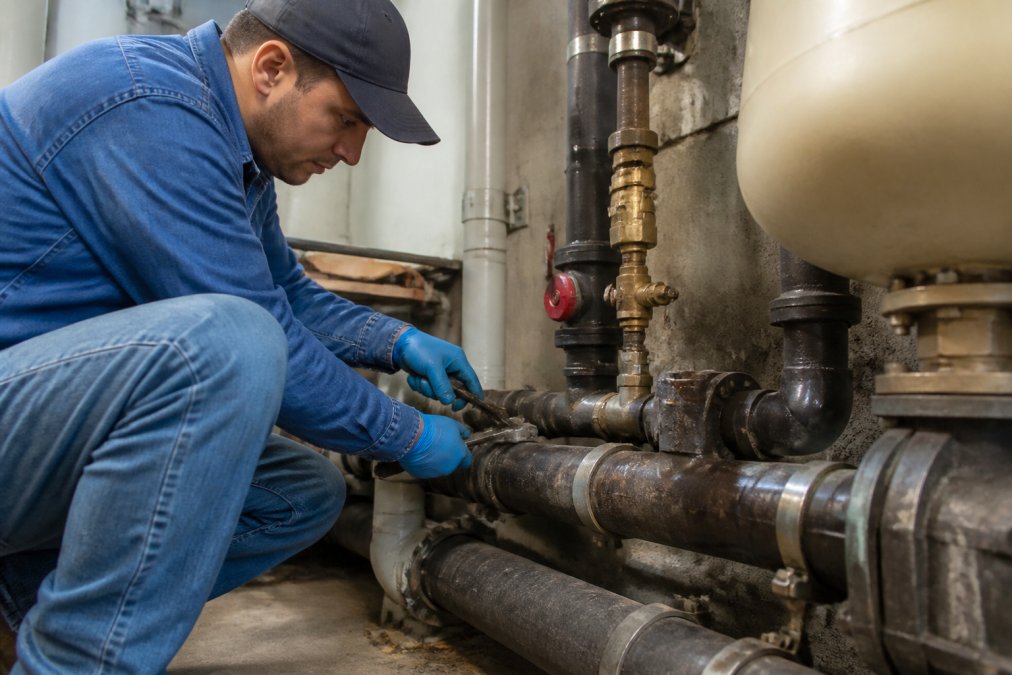
Here is why the order matters. Hydro jetting operates at pressures strong enough to cut through tree roots. Those same pressures can rupture a pipe that is already compromised by corrosion, cracks, or collapsed sections. If your sewer line is made of aging cast iron pipes or has known joint failures, blasting it with high-pressure water without a visual check risks blowing out the line entirely.
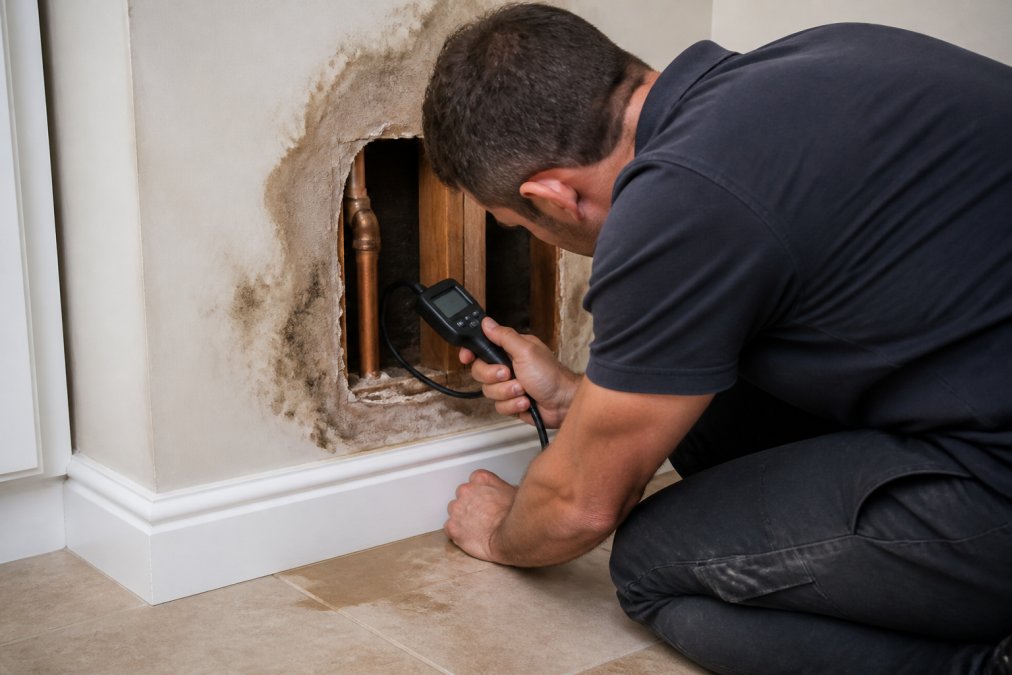
The camera inspection reveals the pipe material, the condition of the pipe wall, and the exact nature of the blockage. According to American Society of Plumbing Engineers technical guidance, visual inspection is a standard prerequisite before high-pressure cleaning to verify pipe integrity. Our technicians can show you camera footage of the blockage, so you see precisely what is causing the backup and why the recommended method will resolve it.
Never allow a plumber to hydro jet your line without a prior camera inspection. If the pipe has pre-existing damage, high-pressure water can rupture it, turning a few hundred dollar cleaning into a multi-thousand dollar excavation and pipe restoration project.
When Hydro Jetting Is Not the Right Call
Hydro jetting is powerful, but it is not a universal solution. Knowing when to say no is just as important as knowing when to recommend it. The decision hinges on two things: the structural condition of the pipe and the material it is made of.
Pipe material compatibility is the overlooked factor. Most plumbing guides assume all pipes react the same way to high-pressure water, but that is not true. The age and material of your sewer line determine whether jetting is safe or a gamble.
- Clay and cast iron pipes: Older homes, particularly those built before the 1970s, often have clay tile or cast iron sewer lines. Clay pipes are brittle and prone to cracking from ground movement or root pressure. Cast iron corrodes from the inside out, leaving thin, flaky walls that can fail under sudden stress. Hydro jetting at 3,000 to 4,000 PSI can rupture a clay pipe that has hairline fractures or a cast iron pipe that has lost its structural integrity. A camera inspection is not optional for these materials; it is the only way to verify the pipe can withstand the pressure.
- PVC and ABS pipes: Modern plastic pipes are smooth, durable, and generally safe for hydro jetting. The risk here is not the pipe material itself but the joints. Improperly glued or solvent-welded joints can be weakened by extreme pressure, especially if the line was installed by an unlicensed contractor. A visual check of the joints during the camera inspection will reveal any concerns.
- Orangeburg pipe: If your home was built between the 1940s and 1970s, there is a chance your sewer line is made of Orangeburg, a tar-impregnated wood fiber pipe. This material is highly susceptible to collapse and deterioration. Jetting an Orangeburg line that is already soft or delaminating can cause catastrophic failure. In many cases, the honest recommendation is full replacement, not cleaning.
Structural failures that rule out jetting entirely: If the camera inspection reveals a completely collapsed pipe, a severe offset at a joint, or a line that is infiltrated with roots to the point of structural failure, hydro jetting will not fix it. The water will simply escape into the surrounding soil, washing out the ground and potentially causing a sinkhole. In these cases, the pipe section requires replacement or trenchless repair, not cleaning.
Solid obstructions: If the blockage is a solid object like a child’s toy, a rag, or a mass of wipes, hydro jetting may push it further down the line rather than dissolve it. The debris needs to be retrieved physically with an auger before the line can be safely jetted. A professional will recognize this from the camera feed and adjust the approach accordingly.
A legitimate plumber will tell you when cleaning is insufficient. If your line has reached the end of its service life, the honest recommendation is pipe restoration or replacement, and any provider that jets first and asks questions later is not protecting your interests. The value of a professional is not just in the equipment they bring; it is in the judgment they exercise about when not to use it.
Verdict: Weighing the Upfront Price Against Repeat Calls
The question of whether professional hydro jetting is worth the cost comes down to the difference between treating a symptom and solving the underlying problem.
If you have a single, isolated clog in a well-maintained line, a standard drain snake at a lower service call price is the appropriate response. But if you are dealing with recurring backups, slow drainage throughout the building, or a commercial kitchen that cannot afford downtime, the math favors hydro jetting. The higher upfront cost replaces the cycle of repeat service calls, each with its own trip charge, that never actually clean the line.
The most economical approach is preventative maintenance. Scheduling hydro jetting on a regular interval, typically every 12 to 24 months for commercial properties and every few years for residential main lines, prevents the emergency blockage that always costs more. A small, planned expense beats a 2 AM emergency call every time.
For restaurant owners and property managers, schedule hydro jetting during your slow season or between tenant turnovers. Preventive cleaning costs a fraction of an emergency service call, and it eliminates the risk of a backup during peak business hours.
Professional hydro jetting is worth the cost when it is applied to the right problem, with a camera inspection confirming the line can handle it, and when it breaks the cycle of repeat blockages. The value is not in the cleaning itself; it is in the months of uninterrupted drainage that follow.
Frequently Asked Questions
Does hydro jetting damage old pipes?
Professional hydro jetting can damage pipes that are already failing, which is why a camera inspection comes first. The high-pressure water stream is safe for intact cast iron, PVC, and clay pipes, but it can break apart cracked, corroded, or collapsed sections. A technician uses the camera footage to check pipe integrity before starting. If the camera reveals damage, the plumber should stop and discuss repair options instead of jetting.
How often should you have your sewer lines hydro jetted?
For most homes, an annual hydro jetting session is enough to prevent grease buildup, sludge, and tree roots from creating a blockage. Commercial kitchens and properties with older cast iron pipes or large trees near the sewer line may need service every six months. A plumber can recommend a preventative maintenance schedule based on your camera inspection and how quickly buildup returns.
Why is professional hydro jetting more expensive than snaking?
Snaking pushes a cable through the pipe to poke a hole in the clog, while hydro jetting uses high-pressure water to scour the entire pipe wall clean. Hydro jetting requires a larger truck-mounted unit, specialized nozzles, and a technician trained to manage the water pressure safely. The cost of hydro jetting reflects the specialized equipment and the more complete, longer-lasting result.
Can I do hydro jetting myself?
Renting a small hydro jetter from an equipment yard is possible, but DIY hydro jetting carries real risks. Consumer-grade units deliver far less PSI than professional machines, so they often fail to clear hardened scale or tree roots. Without a camera inspection, you also risk forcing water into a cracked pipe and causing a collapse or a backyard flood. Professional plumbers have the training to protect your pipe integrity and the drainage system.
Choosing the right drain cleaning approach protects your property and your budget. At SWFL 24 Rooter, our licensed and insured technicians use advanced hydro jetting technology and waterproof camera inspections to diagnose and resolve clogs before they escalate into costly damages. With 24/7 emergency service and a guaranteed one-hour response time, we keep your home or business running smoothly. Schedule now and get a lasting solution to your recurring drain problems.